REFEST achieves Milestone 20: risk indicators per Work Package complete

REFEST has reached Milestone 20 with the completion of the description of risk indicators for each Work Package. This achievement was led by Klaipeda University, as coordinator of the project and leader of WP8 – Project Management.

The milestone represents an important step in strengthening the project’s risk monitoring and management framework. By defining specific risk indicators across the different Work Packages, REFEST can better track potential issues, identify early warning signs and support timely decision-making throughout the project implementation.

The work is closely linked to the project’s overall risk management strategy. The defined indicators will support the continuous monitoring of technical, organisational, environmental, regulatory and implementation-related risks, ensuring that mitigation measures can be activated when needed.

This milestone also contributes to improving coordination among partners, as risk indicators provide a common reference for monitoring progress, detecting possible delays or barriers, and ensuring that project activities remain aligned with the planned objectives.

The results will be reported through the periodic reporting process and continuously reviewed as REFEST progresses towards the development, integration and validation of its retrofit solutions for cleaner and more efficient fishing vessels.
REFEST achieves Milestone 2: focus group interview scenario developed to assess environmental and biodiversity impacts

REFEST has reached its second official milestone with the creation of the scenario for focus group interviews aimed at assessing the impact of the project’s proposed solutions on biodiversity and the marine environment. This achievement was led by Morski Instytut Rybacki (the National Marine Fisheries Research Institute), with the support of the project consortium.

The milestone represents an important step in ensuring that REFEST retrofit solutions are not assessed only from a technical and energy-efficiency perspective, but also in relation to their potential environmental, ecological and social effects.

The focus group interview scenario will support the collection of insights from relevant stakeholders, including fishing communities and actors connected to the marine environment. These interactions will help the consortium better understand the perceived benefits, possible barriers and expected impacts of introducing innovative technologies on small-scale fishing vessels.

The work is closely connected to REFEST activities on the assessment of the marine environment and biodiversity in the Baltic and North Sea regions. It will contribute to analysing how the proposed retrofit solutions may support the reduction of fossil fuel consumption, greenhouse gas emissions, underwater noise and pollution pressure, while also considering the relationship between technology, fishers and marine ecosystems.

By creating a structured scenario for stakeholder engagement, REFEST strengthens its capacity to combine scientific assessment with real-life knowledge from the people and communities directly connected to the sea.

This milestone provides a methodological basis for the next steps of the project, supporting future interviews, environmental impact analysis and the development of strategic guidelines for cleaner and more sustainable fishing fleets.

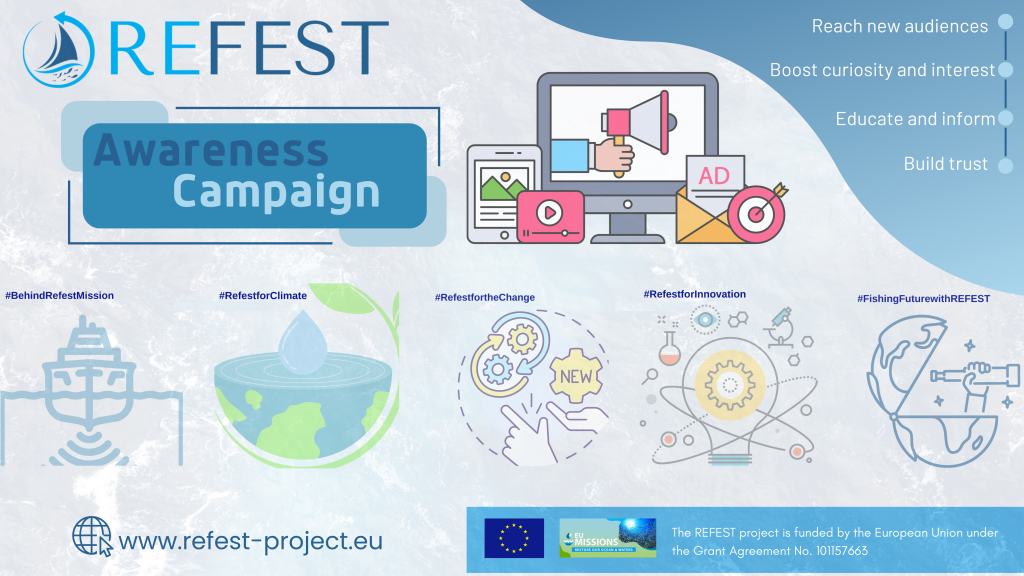
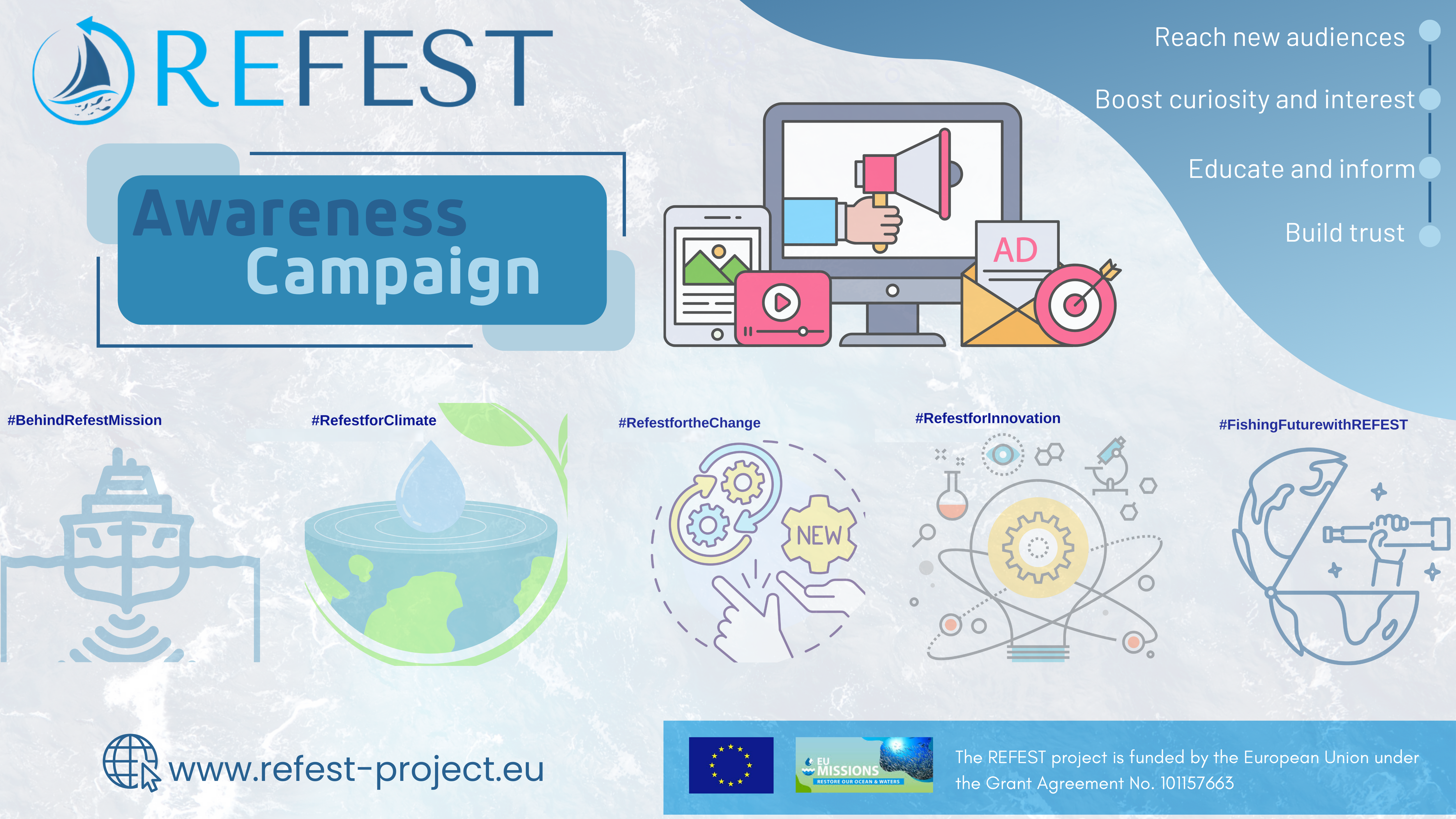
REFEST Awareness Campaign online!

REFEST: Planting Awareness for a Sustainable Future!

We are thrilled to announce the launch of our online campaign: a multi-year journey to raise awareness about critical issues surrounding sustainable fishing, innovation, and marineconservation.

Five thematic campaigns will guide this mission, each focusing on a unique aspect of REFEST’s vision:
1️⃣ BehindRefestMission (2025): uncovering the environmental challenges of traditional fishing.
2️⃣ RefestforClimate (2025): sustainable solutions to combat climate change.
3️⃣ RefestfortheChange (2026): driving policy change for ocean preservation.
4️⃣ RefestforInnovation (2026): pioneering technologies for sustainable fishing.
5️⃣ FishingFuturewithREFEST (2027): showcasing results for lasting change..

With the motto “Planting Awareness”, each phase will bring knowledge and action, engaging experts, partners, and the public.

🌍 Let’s protect our oceans, innovate for sustainability, and inspire change.
🔗 Follow us, be part of this transformation

REFEST at the Workshop “Navigating the Energy Transition”: A Decisive Step Towards Sustainable and Low-Carbon Fishing

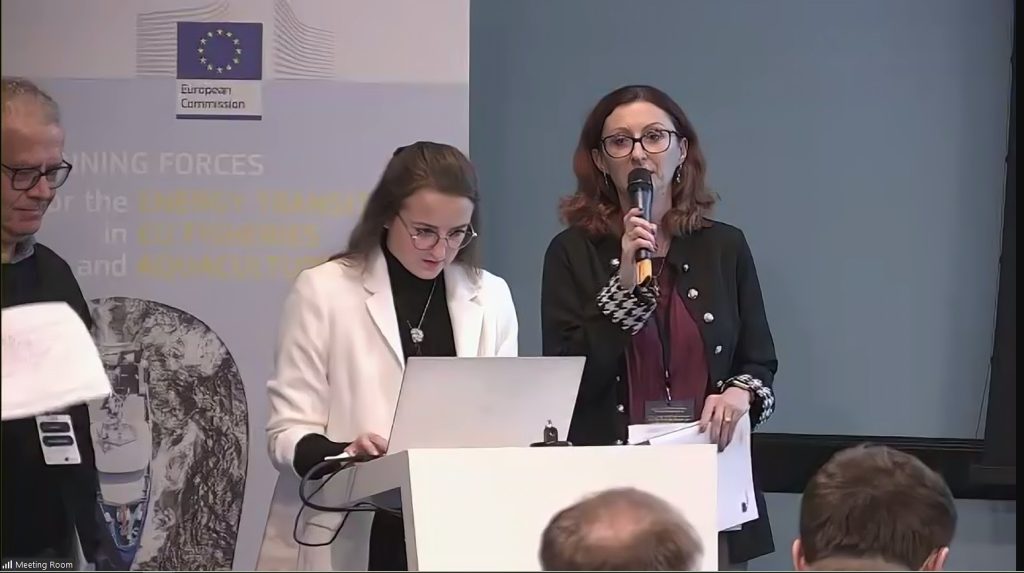
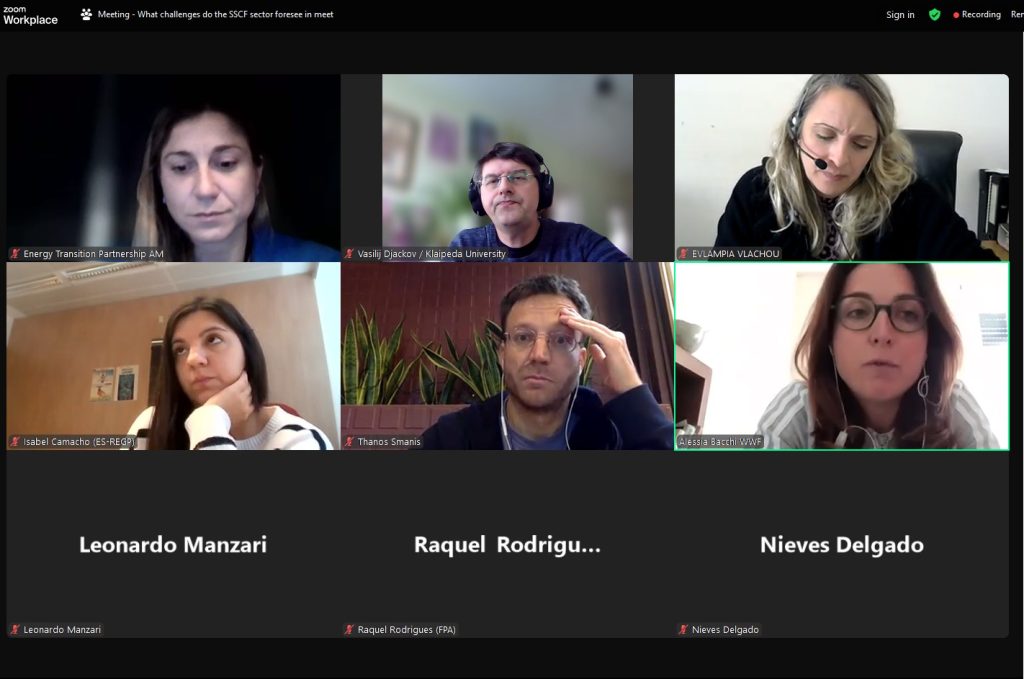
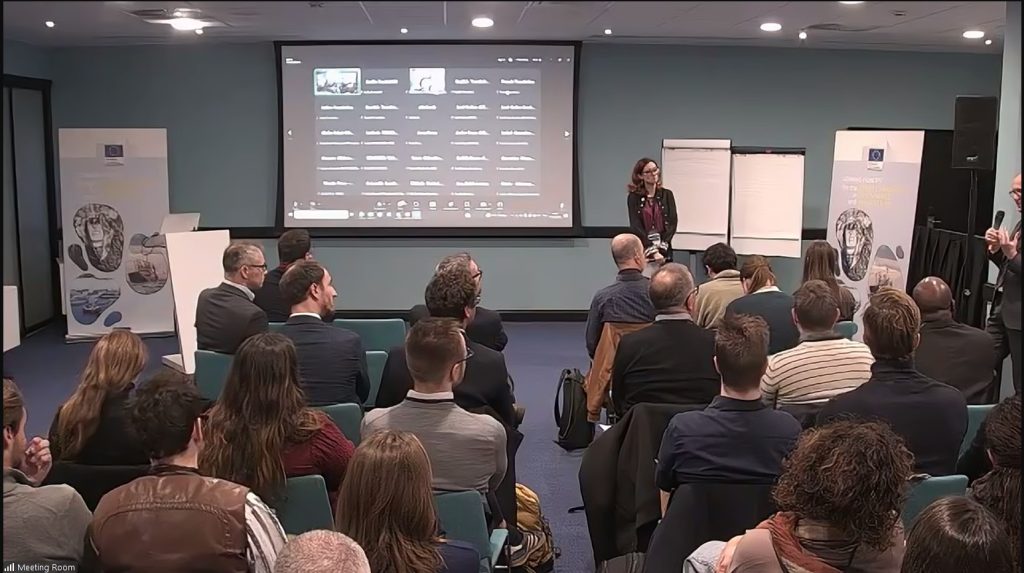
On 11 and 12 December 2024, the Energy Transition Partnership (ETP) and the Directorate-General for Maritime Policy, Fisheries and Aquaculture (DG MARE) organised a series of workshops in Brussels and online entitled “Navigating the Energy Transition: Strategic Goals for Resilient and Sustainable Fisheries Fleet”. The event brought together experts, policy makers and representatives from key industries to discuss the challenges and innovative solutions needed for an effective energy transition in the fisheries sector.

Among the main themes, routes to improve energy efficiency in the sector were explored, particularly in three crucial areas of fisheries: Small-Scale Coastal Fisheries, Large-Scale Fisheries, and Distant Waters Fleet. The common objective was to draw a roadmap for a sustainable energy transition in the fisheries sector, with a particular focus on 2050.

Participation of REFEST: Sustainability and Innovation in the Coastal Fisheries Sector

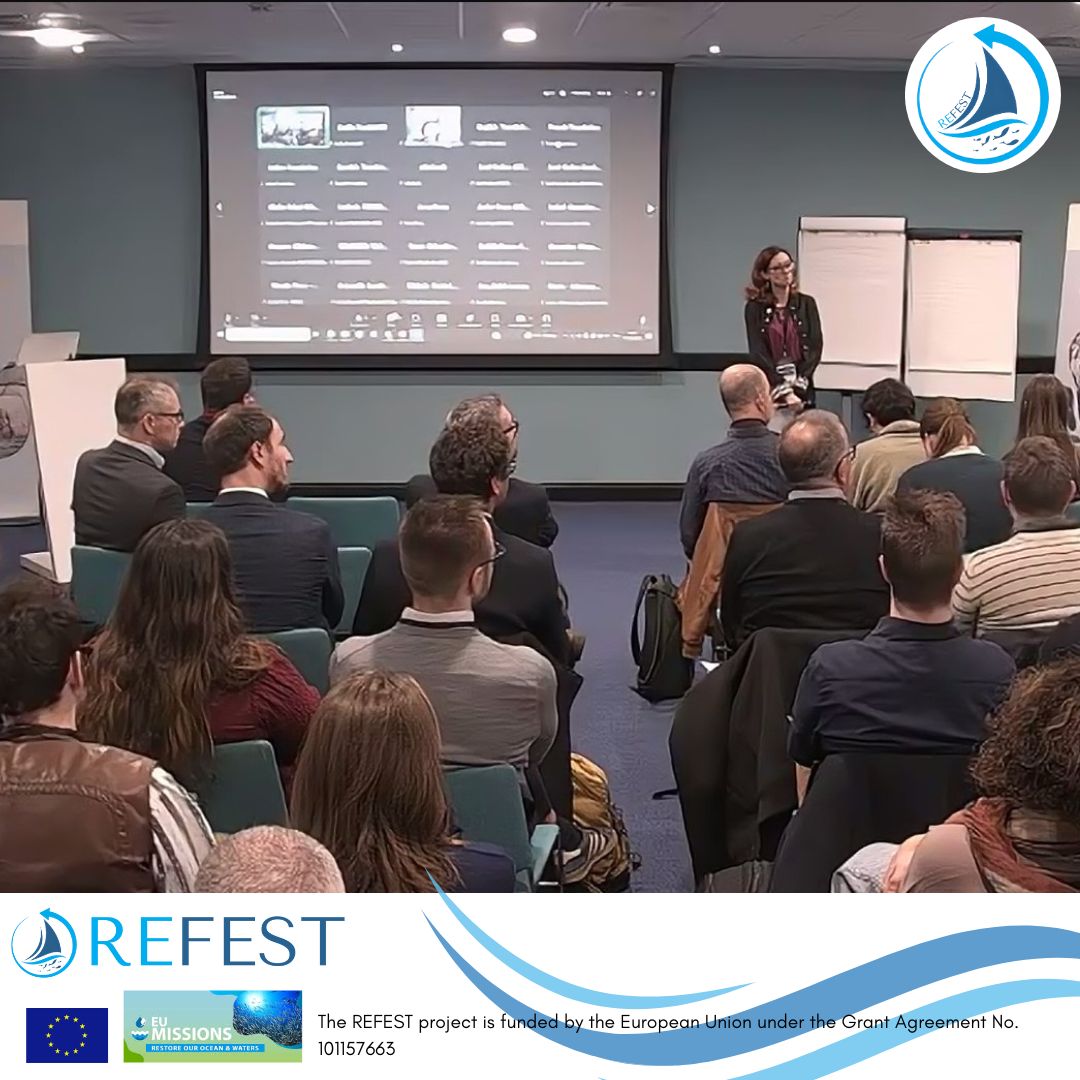
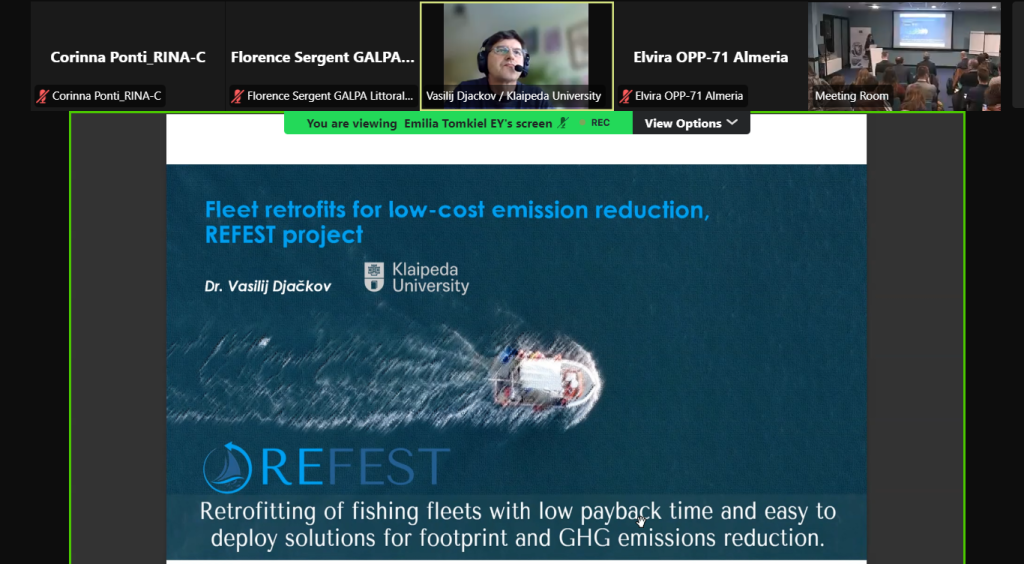
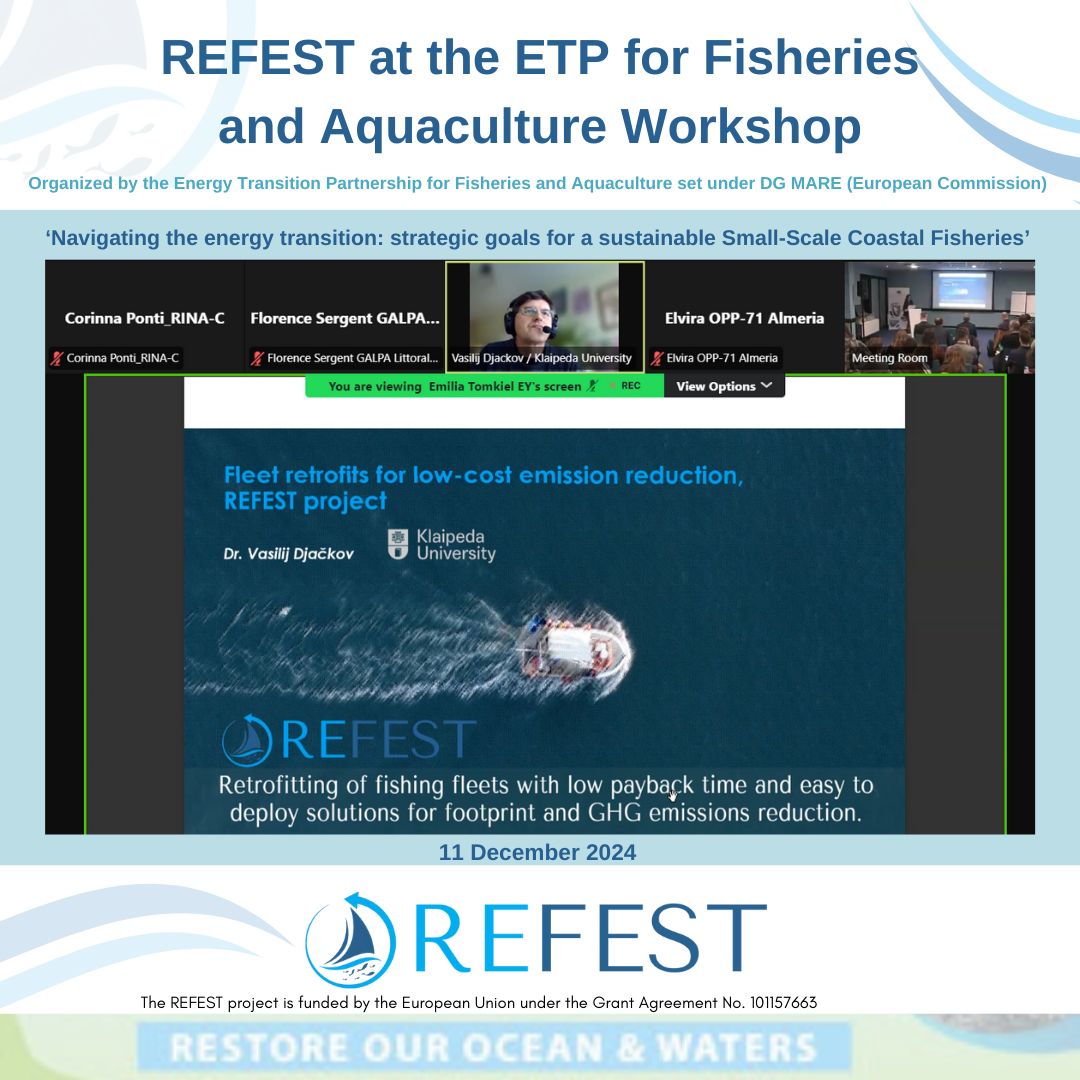
The REFEST project actively participated in the workshop “Navigating the Energy Transition: Strategic Goals for a Sustainable Small-Scale Coastal Fisheries”, an event dedicated to solutions for making the small coastal fleet sector more sustainable and energy efficient. The project coordinator, Klaipeda University, represented by Vasilij Djackov, presented REFEST and its innovative approach focused on reducing greenhouse gas (GHG) emissions and fuel consumption. The project has emerged as one of the key initiatives to foster a green transformation of the sector.

The REFEST initiative aims to develop low-carbon technologies designed to reduce the environmental impact of the fisheries sector while reducing operating costs through innovative energy solutions. The project focuses on the design and implementation of low carbon technologies, which will reduce CO2 emissions and improve the efficiency of engines and energy systems on board fishing vessels.

The Impact of the Small Coastal Fleet Sector on the Environment

The workshop highlighted that the small coastal fleet sector accounts for a significant share of greenhouse gas emissions from fisheries. Currently, this segment accounts for 8% of the total CO2 emissions in the EU fisheries sector, with around 0.4 million tonnes of CO2 released each year. This underlines the urgency of targeted action to reduce the sector’s ecological footprint, a goal that REFEST has placed at the heart of its mission.

Integrating green technologies, such as hybrid propulsion systems, solar panels and optimal energy management solutions are just some of the solutions proposed by the REFEST project to reduce these emissions and make the sector more sustainable and resilient.

A Roadmap to 2050: Working Together for a Sustainable Future

The workshop also provided an important platform for discussion between industries, political organisations and stakeholders from across Europe, with the aim of drawing up a roadmap for the energy transition towards 2050. Participants worked together to identify the main challenges, but also opportunities, for energy efficiency in the fisheries sector, with a particular focus on the transformation of coastal fleets.

The participation of REFEST in this workshop strengthened its role as a key player in the energy transition of the fisheries sector, underlining the importance of concrete and scalable solutions to reduce environmental impact, Improve economic competitiveness and ensure sustainable fisheries for future generations.

The December event confirmed that the energy transition in the fisheries sector is possible, but requires the collective commitment of innovators, institutions and professionals in the sector. REFEST, with its innovative approach and willingness to respond to the challenges of inshore fishing, is ready to continue on its path towards a greener and more sustainable maritime future.

REFEST participated in ETP Workshop on the Energy Transition of Small-Scale Coastal Fisheries

On 11 December 2024, the REFEST EU Project participated in the workshop “Navigating the energy transition: strategic goals for a sustainable Small-Scale Coastal Fisheries”, organised by the Energy Transition Partnership for Fisheries and Aquaculture (ETP) and set under DG MARE – European Commission.

The event provided an important opportunity to discuss the challenges, strategic priorities and possible solutions shaping the future Energy Transition Roadmap 2050 for the fisheries and aquaculture sectors. Participants exchanged views on emerging innovations, best practices and concrete pathways to support the sector’s transition towards more sustainable and low-carbon operations.

Small-Scale Coastal Fisheries represent a key segment of the European fisheries sector. Although the Small-Scale Coastal Fleet accounts for approximately 8% of the EU fisheries sector’s total CO₂ emissions, corresponding to around 0.4 million tonnes of CO₂ annually, its transition towards cleaner and more efficient solutions is essential to achieving long-term climate and sustainability objectives.

In this context, Vasilij Djackov from Klaipeda University, coordinator of the REFEST project, presented REFEST as a pioneering initiative focused on the development and deployment of innovative low-carbon solutions for the fisheries sector. The project’s technologies aim to reduce both greenhouse gas emissions and fuel consumption, supporting the sustainable transformation of fishing activities and contributing to the broader decarbonisation of the maritime sector.

REFEST is pleased to have contributed to this important discussion and remains committed to advancing innovation, sustainability and energy efficiency in the fisheries and aquaculture industries.

REFEST achieves Milestone 1: key requirements for target products and demo-sites identified

REFEST has reached an important first milestone with the identification and documentation of the main requirements for the project’s target products and demonstration sites. This achievement was led by Klaipeda University, with the contribution and validation of all project partners.

The work carried out provides a common technical basis for the development, integration and future validation of REFEST retrofit solutions for traditional fishing vessels. The milestone is closely linked to Deliverable D1.1, which defines the requirements of the proposed solutions to reduce greenhouse gas emissions in fishing vessels under real-life operating conditions.

As part of this work, the consortium identified the material specifications, performance requirements and supply interactions needed to ensure that reliable and consistent samples, components and technologies can be developed during the next phases of the project. The analysis also considered material and technology trends, customer expectations, legislative constraints, and national and international requirements applicable to the demonstration boats and equipment installation.

A key element of the milestone was the definition of suitable sensors to be installed on board the vessels. These sensors will support REFEST eco-driving tools, help minimise reactive maintenance and contribute to the overall objective of reducing fuel consumption and greenhouse gas emissions.

The milestone also includes the definition of benchmarks and a testing plan, which will serve as means of verification for the next technical activities. In addition, the work supports the estimation of optimal technical modernisation measures for fishing vessels operating in the Baltic and North Sea regions, while considering their social, economic and environmental impact.

The findings have been approved by all partners and will serve as a shared roadmap for the scale-up and validation of REFEST systemic solutions.

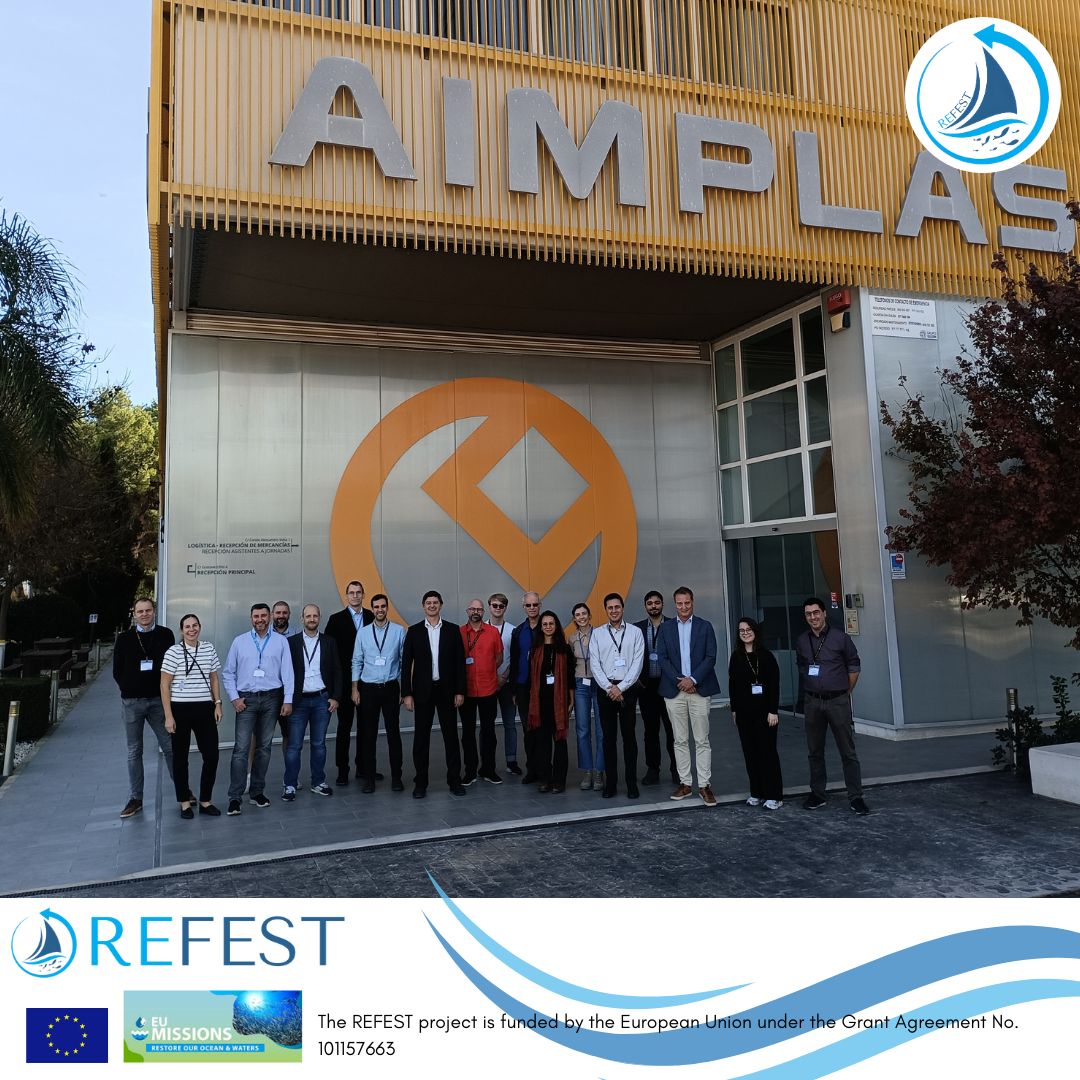
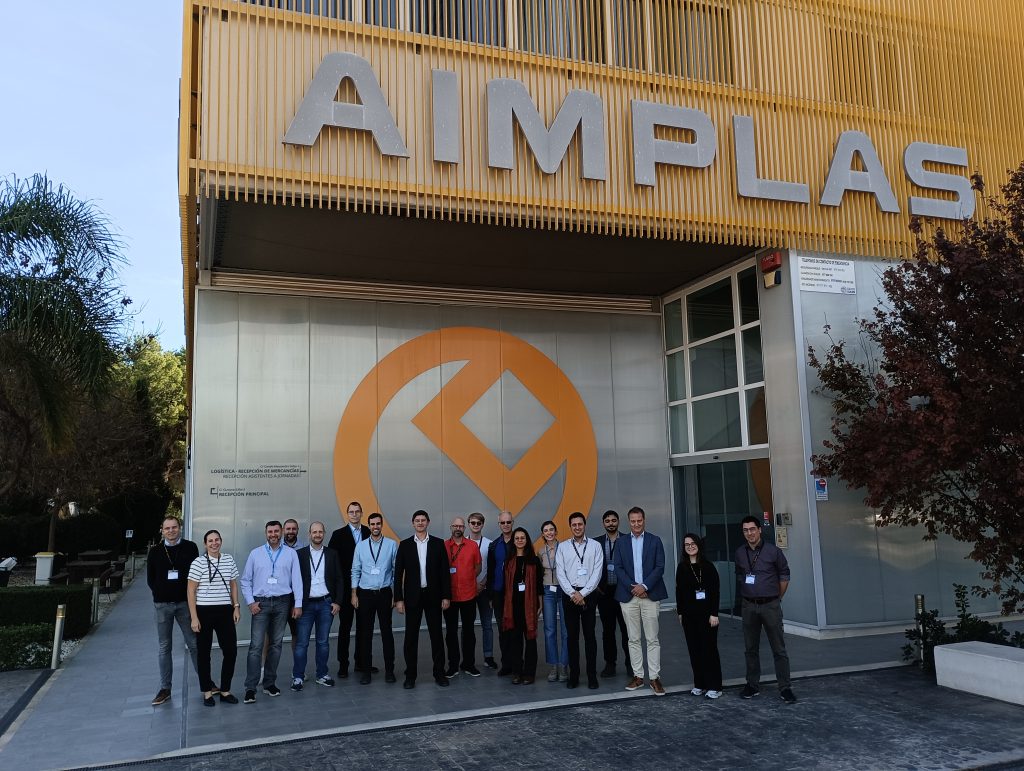
REFEST 2nd General Assembly in Valencia 

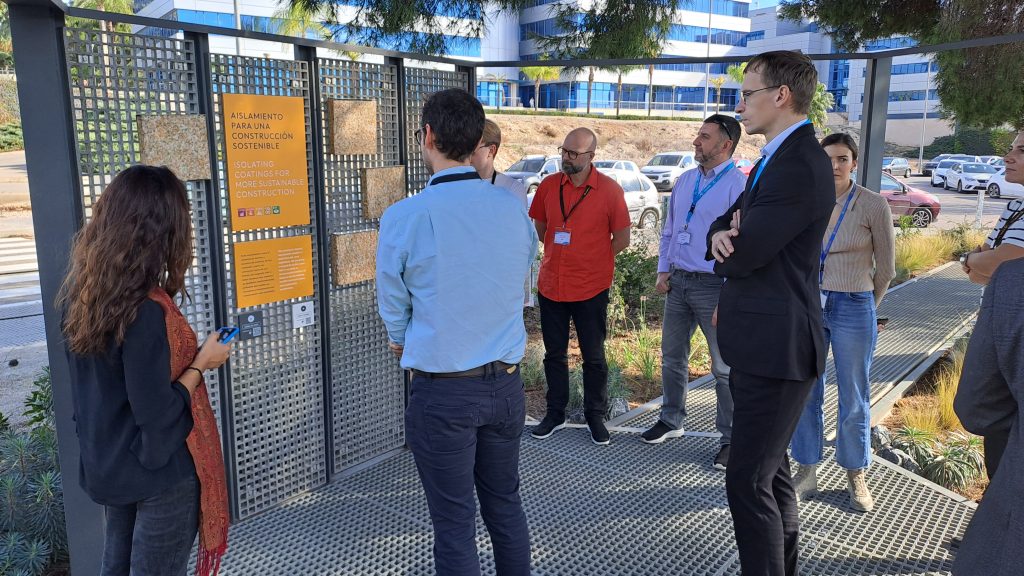
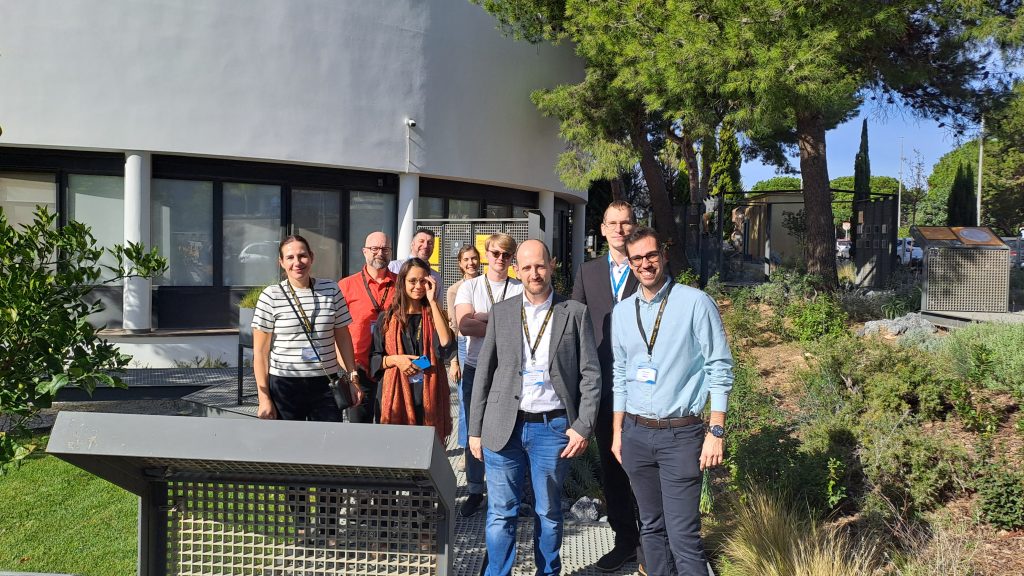
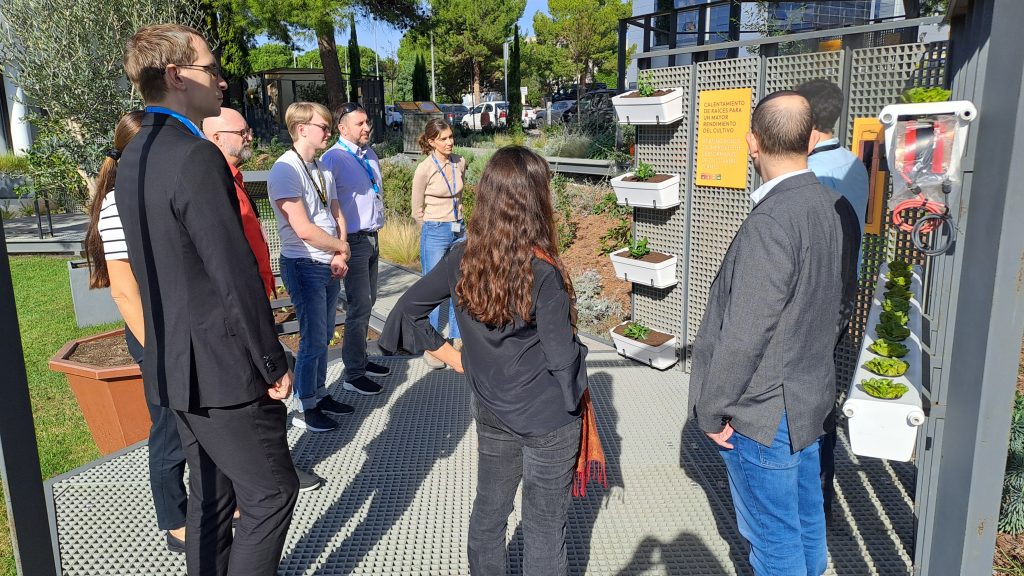
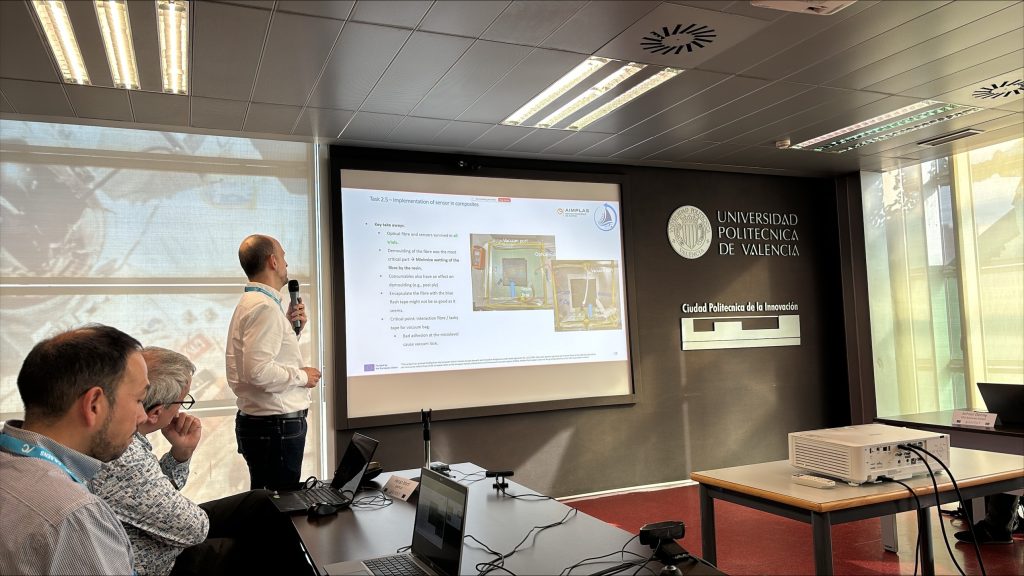
The second REFEST consortium meeting was recently held in Valencia (November 19-20th), hosted by our partners CALSENS and AIMPLAS.

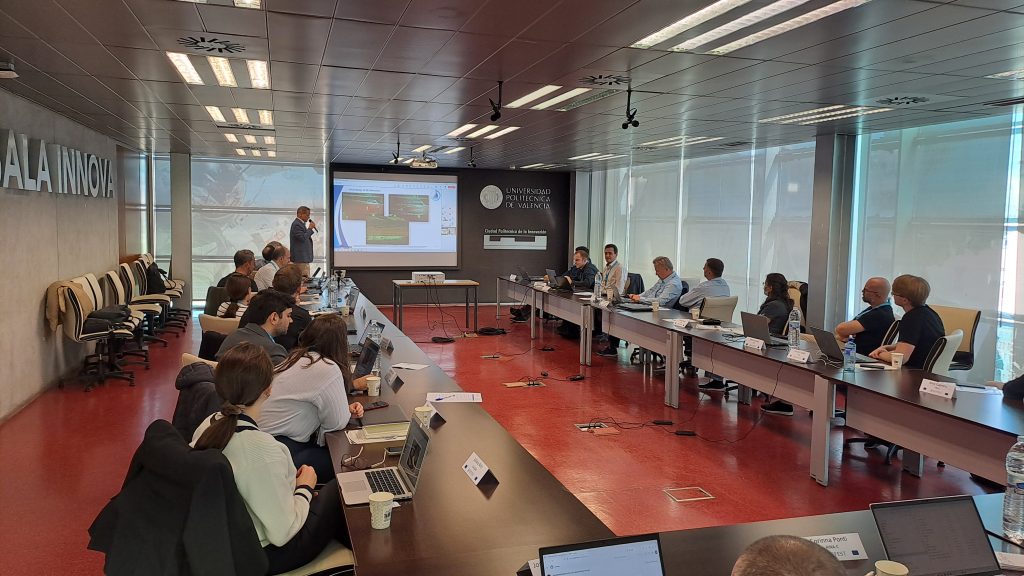
The two-day meeting was a great opportunity to review the first six months of the project’s progress, discussing the initial activities done and defining the next steps for its implementation. 

During the working sessions, each partner presented its achievements so far, providing detailed updates on technical works, successes and difficulties encountered. 

The first day focused on retrofit requirements of selected fishing vessels, expected impact assessment on marine environment and biodiversity, initial simulations, design of batteries, sensors’ integration, and technological solutions.  

The second day was mainly focused on environmental, economic, and social assessments, dissemination, communication, and exploitation activities, agreements on synergies with other European initiatives and funded projects and technical decisions. 

The meeting was also fundamental to foster invaluable knowledge exchange and collaboration between consortium members especially on potential risks and issues to be addressed in the later phases of the project, allowing them to plan together the most effective solutions.

Both days ended with a visit to the CALSENS and AIMPLAS research facilities and laboratories. This role of these partners is crucial for the development of the REFEST project, being involved in the construction of the composites and sensors to be installed on fishing vessels, with the fishing sector.

The REFEST consortium is working hard in making significant progress in its objective of improving the sustainability and efficiency of fishing vessels, and the Valencia meeting was an important opportunity for collaboration to further strengthen teamwork between all partners involved. 

The project, funded by the European Union under the Horizon Europe program (grant agreement n° 1011157663 – topic HORIZON-MISS-2023-OCEAN-01-05), will have a duration of 3 years. Learn more about the project.


REFEST project website is finally running!

The REFEST consortium is pleased to announce the successful achievement of Milestone 16 – “Project website running”, delivered on schedule in July 2024 by ENCO.

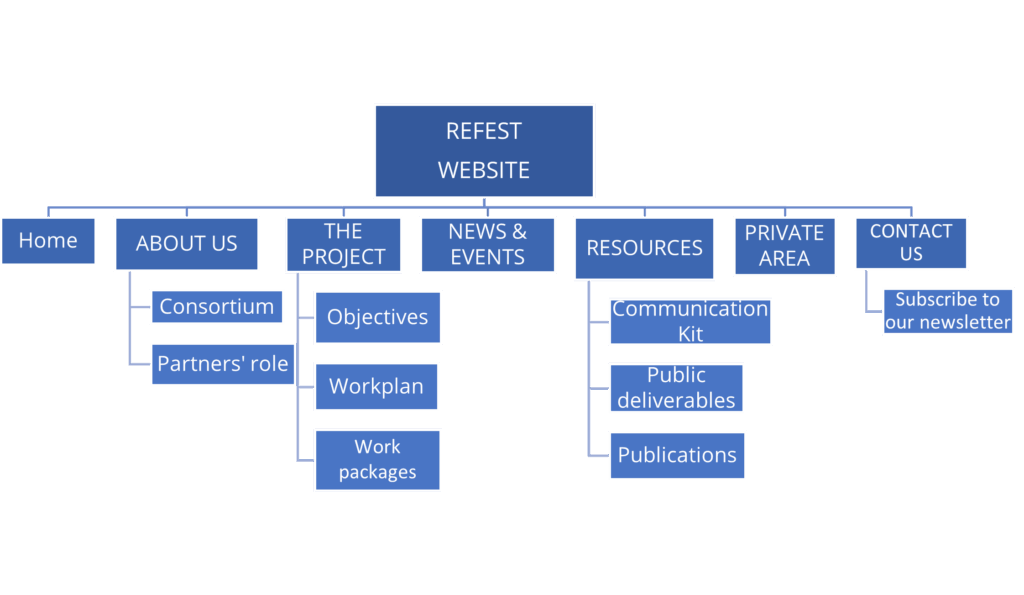
The official project website has been launched precisely on 29 July and serves as the central information hub for all project stakeholders and the wider public. Its primary objective is to ensure transparent, accessible, and up-to-date communication on REFEST activities, progress, and results.

The website features a registered domain, full compliance with cookie policy requirements, and a structure aligned with the project’s communication goals. It has been designed following REFEST’s visual identity guidelines, including official colours, typography, and logo, ensuring consistency across all dissemination materials.

The platform will be continuously updated throughout the project lifecycle, providing stakeholders with relevant content such as:

  • Project news and updates
  • Upcoming and past events
  • Scientific publications and results
  • Downloadable materials and resources

As the main digital gateway of the project, the website plays a key role in fostering engagement, supporting knowledge sharing, and enhancing the visibility and impact of REFEST at both European and international levels.

ENCO will remain responsible for the ongoing maintenance, content management, and regular updates of the website, ensuring it remains a dynamic and reliable reference point for all interested audiences.

REFEST at the Wave of Change Conference 2024

On 14 May 2024, our partner ELKON had the opportunity to present the REFEST project at the prestigious Wave of Change Conference in Instambul, Turkey.

This event gathered a wide range of blue economy and ocean literacy actors, featuring multiple panel discussions, workshops, and activities throughout the day. It provided an important platform to further disseminate REFEST’s vision and objectives, demonstrating how innovation and advanced technologies can play a transformative role in the fisheries sector.

ELKON’s presentation highlighted the project’s commitment to supporting the transition from traditional fisheries to future-ready fleets, capable of addressing both sustainability challenges and evolving industry demands.

By participating in international forums such as Wave of Change, REFEST continues to expand its outreach, strengthen collaborations, and promote the role of research and innovation in driving a sustainable blue economy.

AGENDA

Discover the speakers who took the stage.