REFEST project is focused on the most promising scalable technologies with low CAPEX, easy to deploy and suitable to be installed in a broad range of traditional fishing ships (up to 12m size and broad range of shape) to provide hydrodynamics, electrical power management system, alternative propellers, solar electricity generation and propulsion (batteries), spray rails and air lubrication.
In this regard, REFEST pursues 12 main objectives
REFEST aims to build procedures and technologies to secure the reduction of fuel consumption and GHG emissions up to 40% reduction compared to the original design. The solutions proposed will be designed to ready to deploy in a broad range of small fishing vessels and they are characterized by a low CAPEX and OPEX requirements to significantly reduce the payback time (to 5-6 years). Ensuring upscaling of the proposed solutions after project implementation till 2030.
REFEST aims also to develop methods and supporting tools for the benefit of the shipbuilding and ship-repair industry, as well as the shipping community involved in fishing ship activities. The condition of each type of fishing ship such as service profile, remaining life cycle and the existing and expected regulations, must be taken in account. To find the accurate payback for the retrofit, a detailed technology screening must be carried out to assess the power savings.
Tests are performed at a range of speeds & draughts to provide input to the return of investment (ROI) calculation.
The main Innovations in REFEST
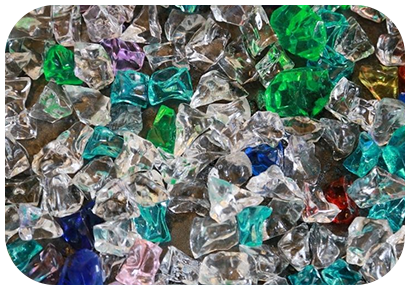
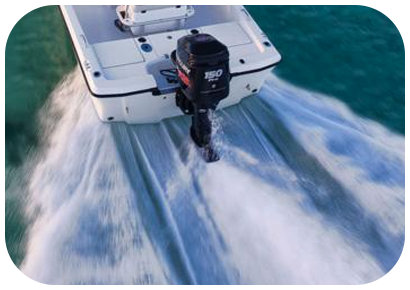
Innovative design by the use bulbs and spray rails that allow to improve hull hydrodynamics, to minimize the water friction and reduce external and underwater noise.
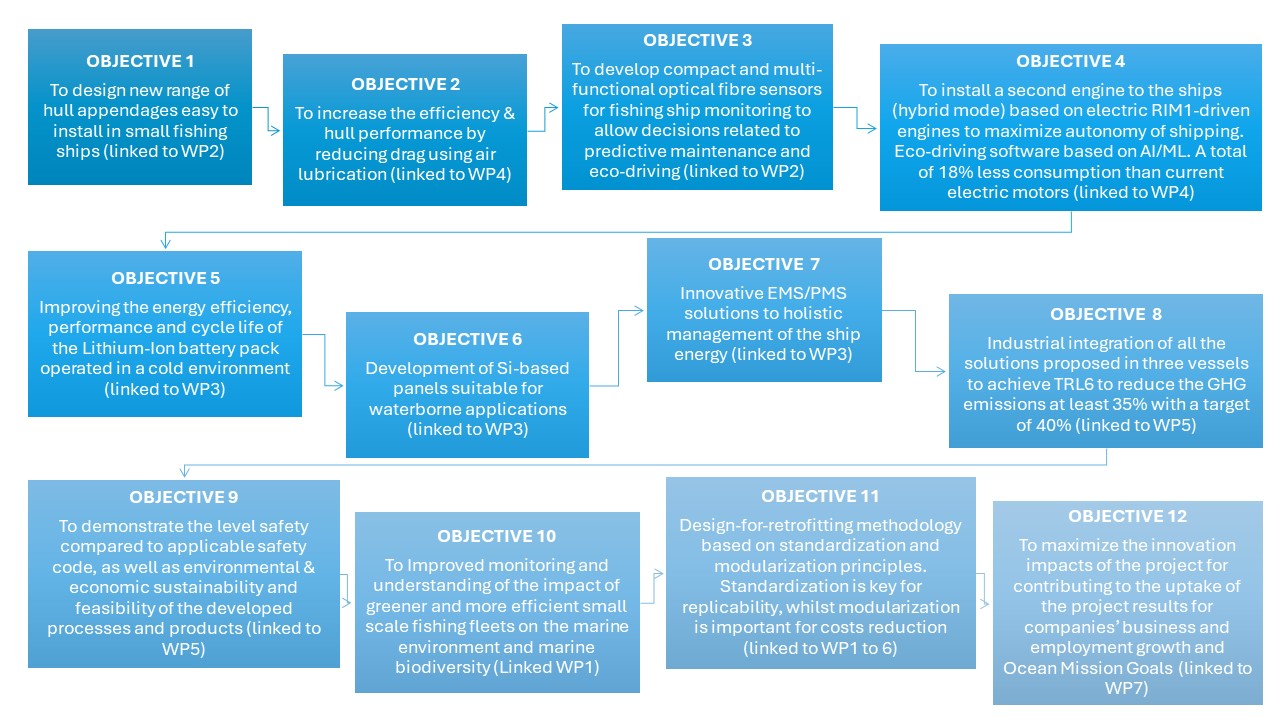
Recyclable acrylic resins reinforced with carbon/glass fibres for manufacture of hull appendages and use thermoplastic composites to produce battery housing.
Integration of air lubrication systems for small vessels.
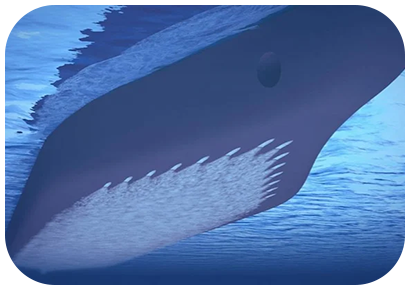
Propulsion systems based on RIM drive solutions and its hybridization with current diesel engines.
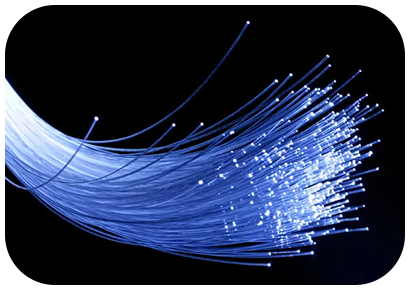
Integration of multi-functional optical fibre sensors for fishing ships monitoring.
Cloud-based Eco-driving software with AI will be integrated as well as a class 1 Dynamic Positioning System (DPS) based on the RIM-drive propulsion.
Safe, cost efficient, Light Li Ion battery system for long cycle life in cold operation environments. Battery system with a high % of reusable and recyclable parts. Optimized Lithium Battery pack, EMS, and PMS to maximize the energy consumption in the vessel.
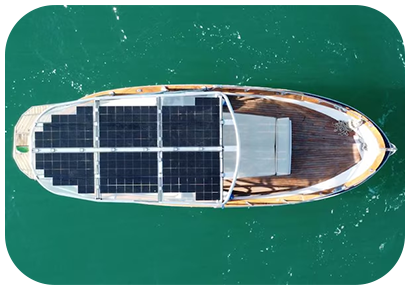
Low-weight (<20 g/Wp) and flexible photovoltaic panels (FPV) based on silicon cells and flexible connector to be integrate in ship. Including walkable version to increase the available surface for FPV installation.