REFEST achieves Milestone 6: PMS/EMS solutions validate energy loss reduction through electrification

REFEST has reached Milestone 6 with the validation of a 20% reduction of energy losses through electrification after retrofit. This achievement was led by ELKON, contributing to the project’s work on battery packs, photovoltaic panels and electrical power management.

The milestone focuses on the development and validation of Power Management System and Energy Management System solutions, which play a key role in improving the energy performance of retrofitted fishing vessels.

Through electrification, REFEST aims to optimise the way energy is generated, stored, distributed and consumed on board. The PMS and EMS support the integration of different energy-saving technologies, including batteries, flexible PV panels and hybrid propulsion systems, helping vessels operate more efficiently and with lower energy losses.

This achievement is particularly relevant for traditional fishing fleets, where reducing energy losses can directly contribute to lower fuel consumption, reduced greenhouse gas emissions and improved operational efficiency.

The work led by ELKON provides an important basis for the next phases of REFEST, supporting the integration of electrical and energy management solutions into the demonstration vessels and contributing to the overall validation of the project’s retrofit approach.
REFEST showcased at AIMPLAS technical event on lightweight materials for electromagnetic signature reduction

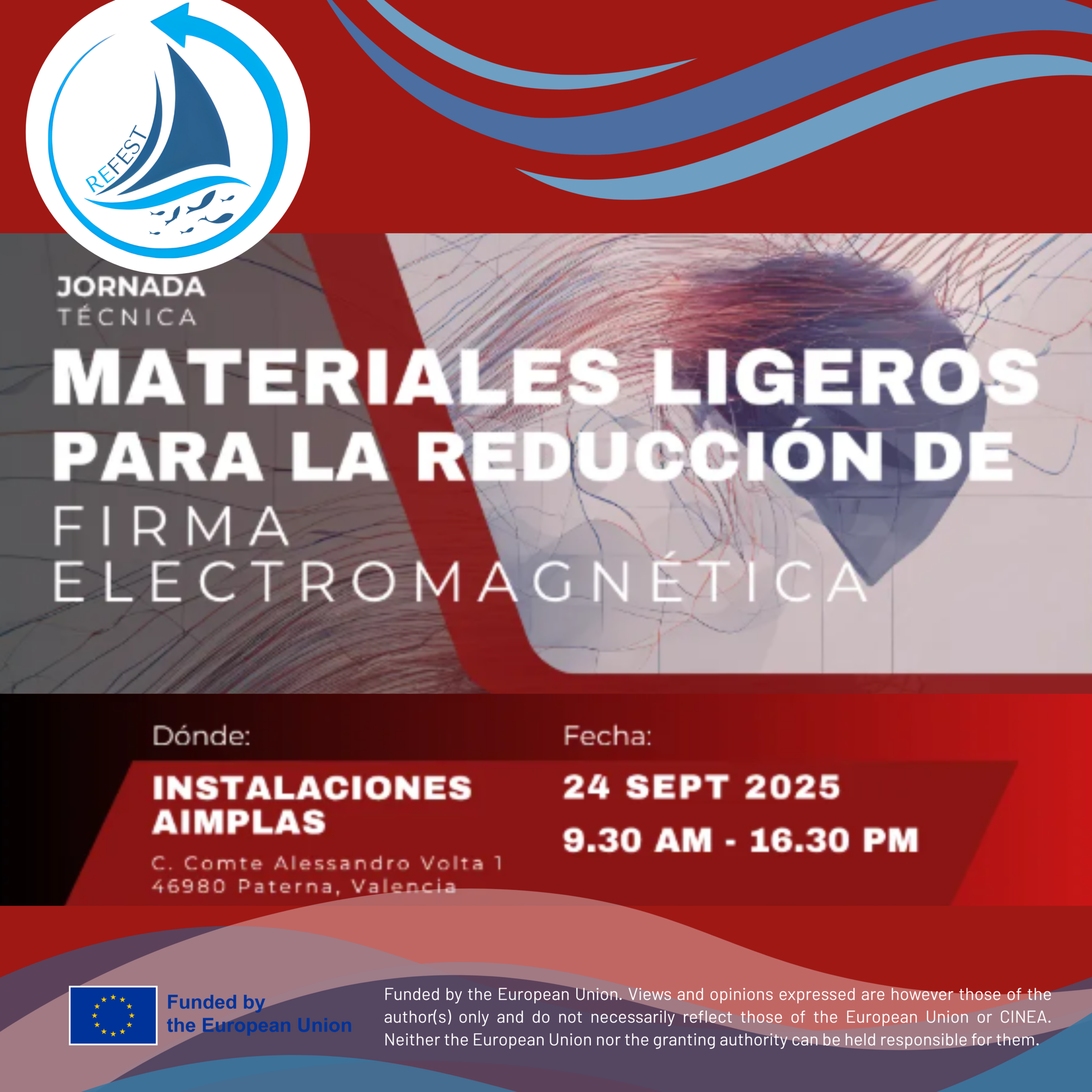
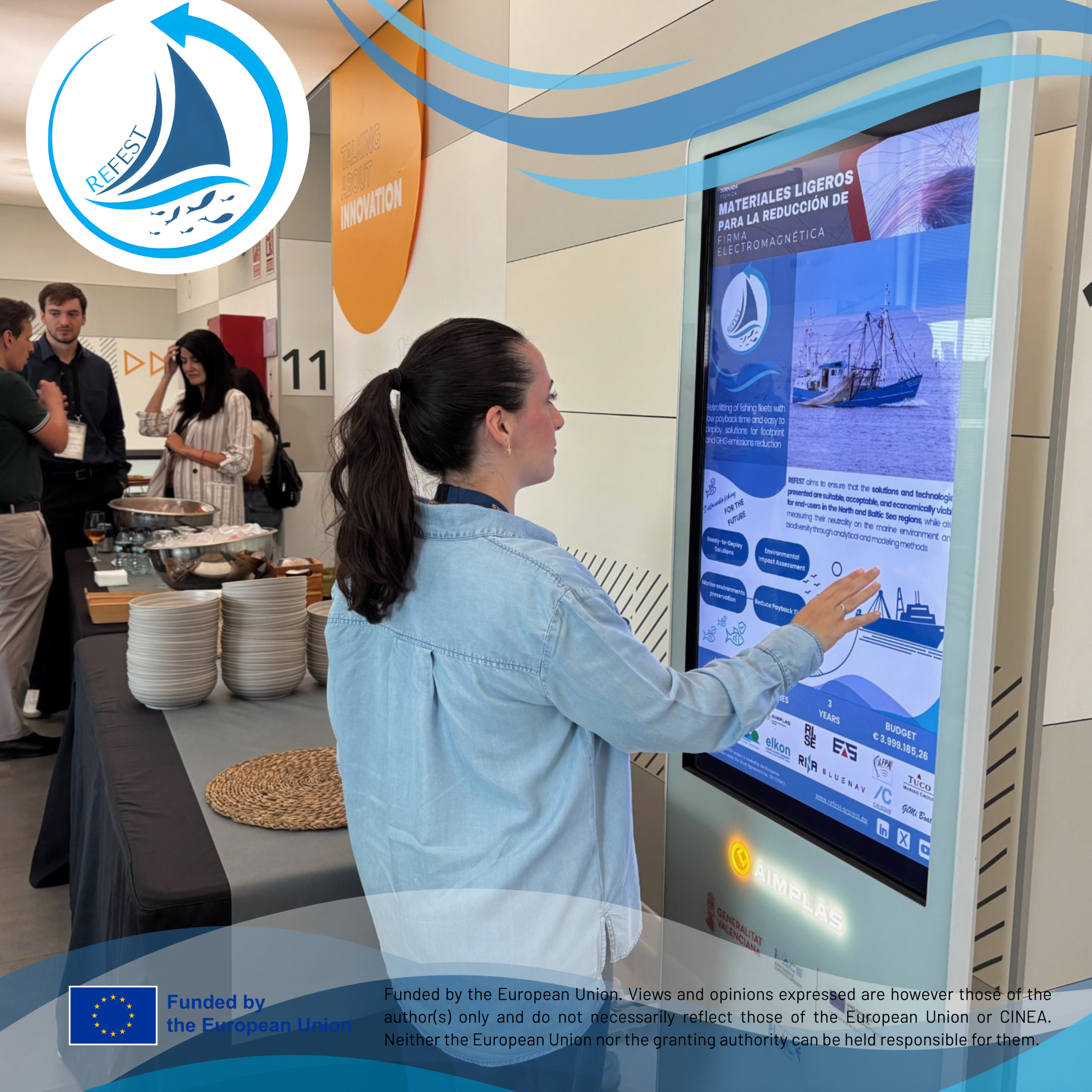
REFEST was presented during the technical event “Lightweight Materials for Electromagnetic Signature Reduction”, organised by AIMPLAS in collaboration with Fundación Círculo. The event took place on 24 September 2025, from 9:30 to 16:30, at AIMPLAS facilities in Valencia, Spain.

During the event, AIMPLAS representatives showcased REFEST as a relevant example of an EU-funded project working on innovative solutions to support the transition towards more sustainable and energy-efficient mobility and transport systems. The project was presented in relation to its contribution to reducing fuel consumption and greenhouse gas emissions in the fisheries sector, while highlighting the role of advanced technologies and materials in enabling low-carbon transformation.

REFEST’s participation in the AIMPLAS technical event represented a valuable opportunity to increase the project’s visibility among industrial and research stakeholders, promote knowledge exchange on innovative materials and sustainable technologies, and strengthen connections with sectors working towards cleaner and more efficient mobility solutions.

REFEST achieves a new milestone: hull appendage configurations studied to improve vessel efficiency

REFEST has reached an important technical milestone with the experimental and computational study of the selected hull appendage configurations. This achievement was led by Klaipeda University, contributing to the project’s work on improving the hydrodynamic performance of traditional fishing vessels.

The milestone confirms that the selected configurations have been analysed through both experimental testing and computational studies, with the objective of reducing vessel resistance in water and limiting underwater noise.

The results show that the studied hull appendage solutions can contribute to at least an 11% reduction in hydrodynamic resistance and a reduction of underwater noise of at least 5 dB. These improvements are highly relevant for REFEST, as reducing resistance means that vessels can operate more efficiently, with lower energy demand and reduced fuel consumption.

This achievement supports the wider REFEST objective of developing easy-to-deploy retrofit solutions for existing fishing vessels. By improving hull efficiency, the project contributes to reducing greenhouse gas emissions while also addressing environmental pressures linked to underwater noise.

The work carried out by Klaipeda University provides an important technical basis for the next phases of the project, supporting the integration and validation of the proposed retrofit solutions on demonstration vessels operating in the Baltic and North Sea regions.

By achieving this milestone, REFEST moves one step closer to demonstrating practical and scalable solutions for cleaner, quieter and more efficient fishing fleets.

AIMPLAS Technical Event on Electromagnetic Compatibility and Lightweight Materials

REFEST will be presented as an example during the technical event organised by AIMPLAS in collaboration with Fundación Círculo, taking place on 24 September 2025, from 9:30 to 16:30, at AIMPLAS.

In a context where sustainable mobility and energy efficiency are increasingly important, electromagnetic compatibility plays a key role in the development of new materials and technologies. The event will bring together sector experts to share knowledge on the use of lightweight materials for the mitigation of electromagnetic interference in strategic sectors such as automotive, railway, defence and aeronautics.

During the event, AIMPLAS representatives will present REFEST as a relevant example of an EU-funded project working on innovative solutions to support the transition towards more sustainable and energy-efficient mobility and transport systems. The project will be showcased in relation to its contribution to reducing fuel consumption and greenhouse gas emissions in the fisheries sector, while highlighting the role of advanced technologies and materials in enabling low-carbon transformation.

REFEST’s presence at the AIMPLAS technical event will represent a valuable opportunity to increase the project’s visibility among industrial and research stakeholders, promote knowledge exchange on innovative materials and sustainable technologies, and strengthen connections with sectors working towards cleaner and more efficient mobility solutions.

EU invests €116 million to restore oceans and waterways

The European Union has committed €116 million to support 13 projects focused on restoring oceans and waterways across Europe. These initiatives aim to preserve offshore marine protected areas, protect migratory fish habitats in the Danube, reduce the environmental impact of fishing on marine species, and strengthen citizen science in the marine sector.

These investments highlight Europe’s growing commitment to sustainable oceans and waterways, showcasing innovative approaches to marine conservation and ecosystem restoration. REFEST shares these ambitions, aiming to promote sustainable solutions and innovative technologies to protect and restore aquatic ecosystems.

Cover image by Aleksandar Popovski on Unsplash

Awareness campaign 5: What is the long-term influence of noise pollution on marine ecosystems and fisheries-dependent communities? (MIR, KU)

Sound is a mechanical vibration that propagates as an acoustic wave through a transmission medium such as gas, liquid, or solid. The way sound travels depends on the medium. Water, due to its high elasticity and tightly bonded molecules, is an excellent medium for sound transmission. In fact, sound travels nearly five times faster in seawater (~1500 m/s) than in air (~300 m/s). At low frequencies, underwater sound can travel hundreds of kilometers with little loss in energy—enabling long-distance animal communication, but also potentially resulting in far-field impacts.

Factors influencing underwater sound transmission include the sound frequency, water depth, density stratification (driven by temperature and pressure), seabed morphology, and substrate type. Therefore, underwater sound behavior is complex. The marine underwater “soundscape” consists of biological, geophysical, and anthropogenic sounds occurring at a given place and time.

Among anthropogenic sources, fishing activities contribute significantly to underwater sound: sounds from small, medium, and large vessels; various types of echo sounders and sonars used to locate target species; and pingers used by fishers to mark gear.

  • Large commercial vessels (over 100 m) produce loud, predominantly low-frequency sounds (180–195 dB; 10–50 Hz), mainly from propeller cavitation, on-board machinery, and hydrodynamic flow. They dominate the low-frequency soundscape in many marine environments globally.
  • Medium-sized vessels (50–100 m), including many fishing boats, generate broadband sound in the 165–180 dB range, mostly below 1 kHz. These vessels often operate in coastal and continental shelf waters, overlapping with marine fauna both spatially and temporally.
  • Small vessels (up to 50 m) with inboard or outboard engines emit mid-frequency sounds (1–5 kHz) at source levels of 150–180 dB. Though their acoustic impact is geographically limited, they can dominate soundscapes in bays, harbors, and estuaries. Recreational boats—linked to recreational fisheries—are key contributors to mid-frequency ambient sound in coastal habitats.

Sonars, especially fish-finding sonars (24–200 kHz), are widely used on commercial and recreational vessels and operate year-round in shallow shelf seas. Though lower in source level than military sonars, their widespread use makes them a notable contributor to underwater noise.

Acoustic Harassment Devices (AHDs) such as pingers are used to deter pinniped predation at fish farms and fisheries. With high-intensity signals (≥185 dB) ranging from 2 to 40 kHz, AHDs can significantly elevate local underwater noise levels, especially in areas of intensive aquaculture.

Noise is defined as sound that is loud, unpleasant, or disruptive. All underwater sound comprises sound pressure and particle motion. Marine mammals are primarily sensitive to pressure, but may also respond to particle motion. Fish and invertebrates detect particle motion, and some fish species are sensitive to both components, particularly those with swim bladders functioning as pressure-to-motion converters. Additionally, particle motion can propagate through the seabed, affecting benthic habitats.

Anthropogenic underwater noise is known to cause a variety of direct, indirect, and cumulative impacts on marine species—from no observable effect to behavioral disruption, hearing loss, or even mortality. Effects depend on multiple factors: noise duration, frequency, intensity, overlap with marine organisms, and the context of exposure. Despite scientific and methodological challenges, there is growing evidence that anthropogenic underwater noise can have adverse consequences for marine wildlife, ecosystems, and fisheries-dependent communities.

Cover image by Hiroko Yoshii on Unsplash

Awareness campaign 4: How old vessels and boats have less efficient technologies and are more polluting.

Behind REFEST mission: Since the 18th century, when the technological era of steam-driven ships began to replace traditional sailing vessels, the maritime sector has contributed significantly to environmental pollution through engine emissions and oil-based lubricants. This impact intensified in the 20th century with the transition from steam to diesel engines, leading to the continuous accumulation of pollutants in marine ecosystems.

Although emission control technologies began to emerge in the 19th century, their widespread implementation only started towards the end of the 20th century, following the adoption of the International Convention for the Prevention of Pollution from Ships (MARPOL) by the International Maritime Organization (IMO). Since then, various clean shipping technologies have been introduced to reduce emissions, limit the use of harmful oil-based products, and prevent the release of other pollutants into the environment.

From an engineering perspective, older engines typically exhibit lower thermal efficiency and are more prone to wear and tear. This degradation not only reduces performance but also increases fuel consumption, resulting in higher CO₂ emissions per unit of energy produced.

Over the years, significant advancements have been made in engine technology. Innovations such as electronic – and later digital – control of fuel injection and valve timing, along with improvements in turbocharging, have significantly enhanced efficiency. For example, modern common rail systems with multi-phase injection enable more efficient combustion and reduce the formation of harmful by-products such as carbon monoxide (CO), volatile organic compounds (VOCs), and particulate matter.

These technological improvements have been supported by extensive academic research and continuous innovation by engine manufacturers, who must also comply with increasingly strict environmental regulations, such as those defined by the MARPOL Convention. This rapid development has played a vital role in making marine operations cleaner and more sustainable.

Looking ahead, the transition to low- or zero-carbon fuels represents the next major milestone in the evolution of marine engines, moving away from traditional fuels like diesel and heavy fuel oil.

In line with global trends toward pollution reduction in the maritime sector, the REFEST project aims to develop a modernization strategy and technological solutions for small-scale fishing vessels. These efforts will support the transition to cleaner technologies and help reduce the environmental impact of such vessels.

Cover image by Jean Carlo Emer on Unsplash

Clustering innovation: REFEST and SEAGLOW strengthen collaboration for Europe’s sustainable fisheries

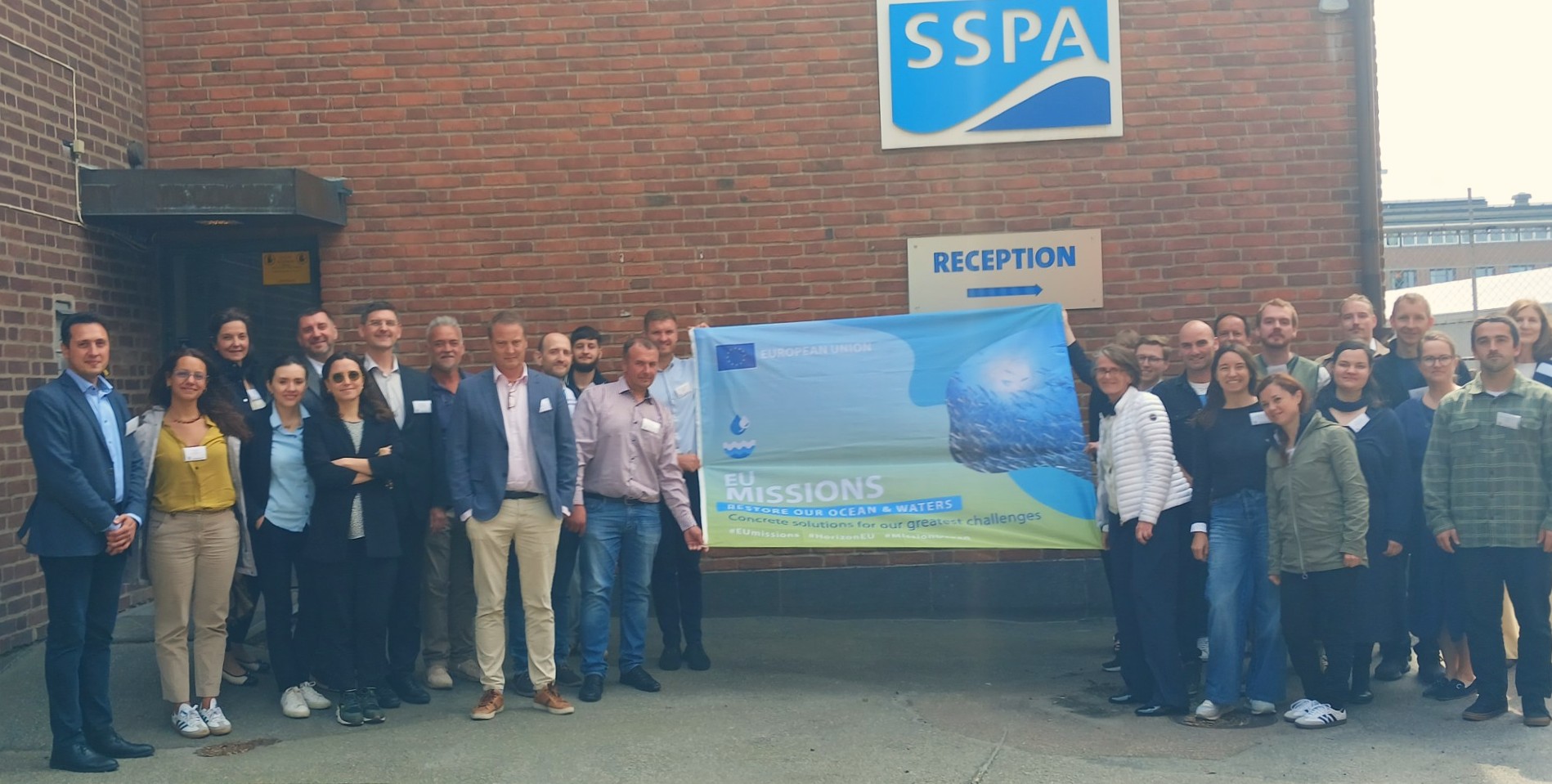
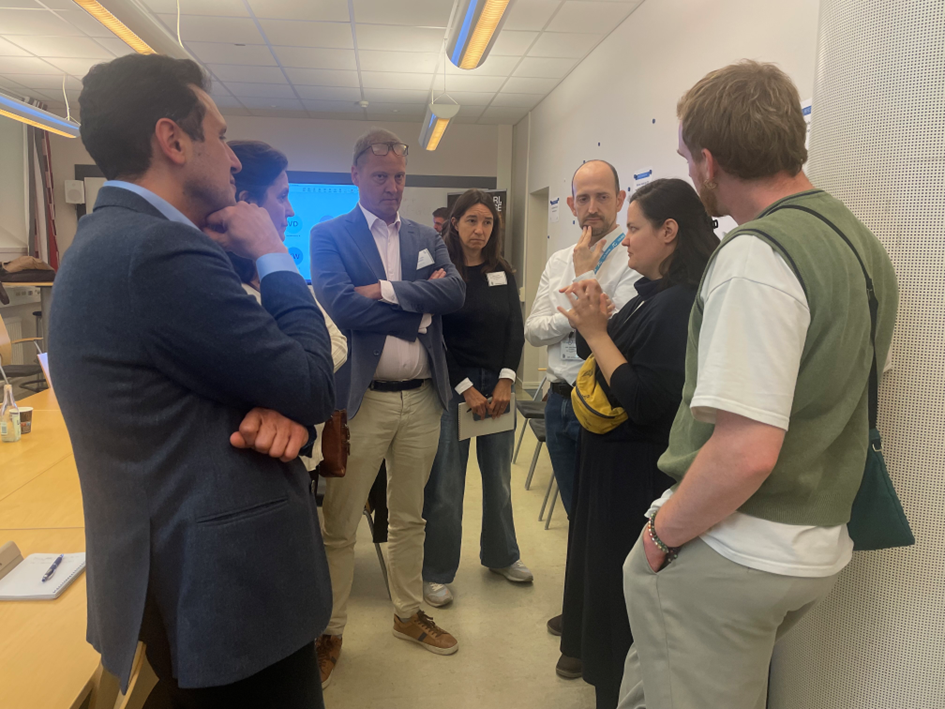
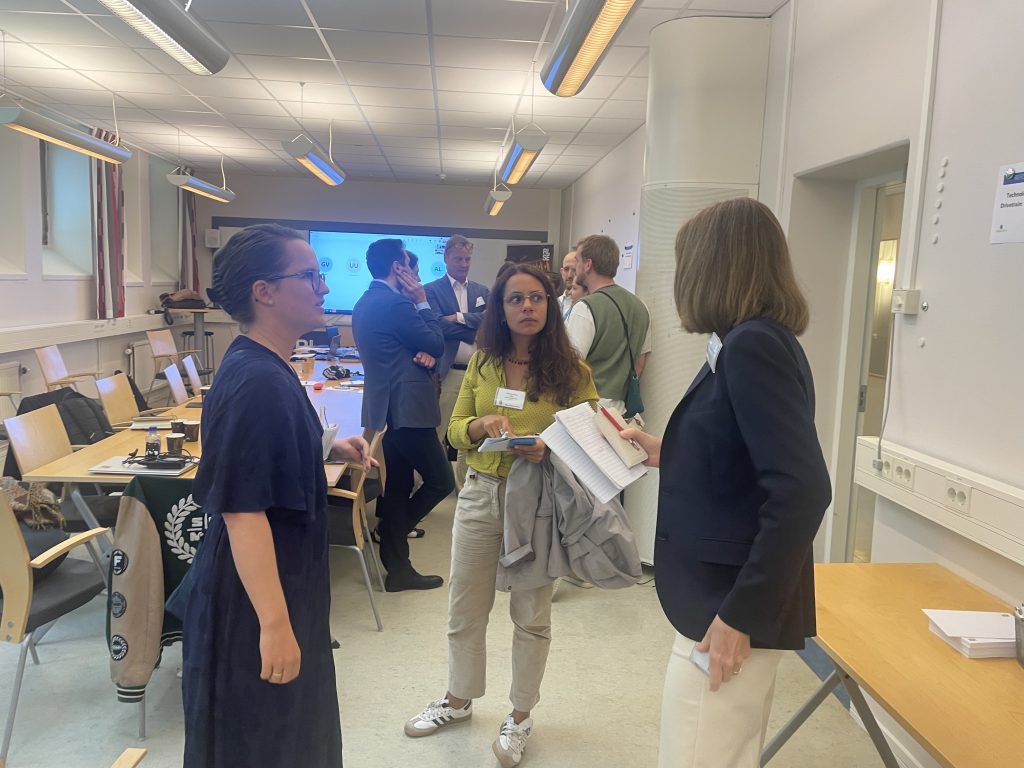
Gothenburg, Sweden, 17 June 2025
Two major Horizon Europe initiatives – REFEST and SEAGLOW – came together this week at the RISE Research Institutes of Sweden in Gothenburg, demonstrating the growing momentum behind EU-funded collaboration for climate-resilient, low-emission maritime innovation.

Though launched as separate projects, REFEST and SEAGLOW are both part of the EU Mission “Restore our Oceans and Waters” that aims to protect and restore the health of our seas through research and innovation. In that framework, they are united by a common goal: to decarbonise Europe’s small-scale fishing fleets through cost-effective, scalable technologies. Their meeting at RISE marks a key milestone in what is fast becoming a powerful example of Horizon Europe clustering – where sister projects pool expertise, data, and strategies to amplify impact.

The event took place at RISE’s marine testing premises in Gothenburg, at RISE premises. RISE, as a partner in both projects, hosted technical showcases and facilitated a joint dialogue among project teams, engineers, and marine sustainability experts.

“This kind of cross-project clustering is exactly what Horizon Europe was designed to achieve,” said the REFEST and SEAGLOW communications managers. “When you bring together engineering know-how, field-testing environments, and a shared policy focus, the result is far greater than the sum of its parts.”

The day’s agenda focused on aligning the two consortia in three key areas:

  • Technological synergies: sharing insights from vessel retrofitting, propulsion alternatives, and sensor deployment
  • Data and policy coordination: comparing life-cycle assessment methodologies and policy outreach strategies
  • Joint exploitation planning: building models cases and scaling pathways for adoption in other EU maritime regions

REFEST and SEAGLOW both operate in the Baltic and North Sea regions, making their collaboration especially timely. Together, the projects are trialing advanced green technologies on seven demo vessels across Sweden, Denmark, Norway, Lithuania, and Estonia.

About the Projects

REFEST (Retrofitting of Fishing Vessels with Low Payback Time and Easy-to-Deploy Energy-Efficient Solutions) is focused on upgrading existing fishing boats with modular technologies that can achieve up to 40% reductions in fuel use and emissions. These include air lubrication systems, solar PV panels, battery-hybrid systems, and smart digital interfaces for navigation and efficiency.
Project duration: 2023–2027 | Coordinator: Klaipėda University

SEAGLOW (Sustainable Energy Applications for Green and Low-Impact Operation of Small-Scale Fishing Boats) aims to develop and demonstrate green propulsion systems, including hybrid-electric, antifouling hull coatings, and real-time performance monitoring, in line with the EU Mission “Restore our Ocean and Waters.”
Project duration: 2023–2027 | Coordinator: North Denmark EU-Office

About RISE

RISE is Sweden’s state-owned research institute, home to over 130 testbeds and demonstration environments. With deep expertise in marine systems, renewable energy, digitalisation, and sustainable industry, RISE provides vital infrastructure for piloting innovation in real-world conditions.

Looking ahead

As part of their clustering efforts, REFEST and SEAGLOW plan to co-develop:

  • Shared updates on technological developments and project outcomes, to be disseminated through coordinated publications, open workshops, and policy briefs
  • Joint outreach initiatives and events focused on stakeholder engagement, including fishers, industry associations, coastal authorities, and investors
  • Inclusion of additional sister projects in future clustering activities, expanding the network of EU initiatives working toward sustainable, low-emission maritime practice

Media Contacts
REFEST: Angela Marzorati, marzorati@enco-consulting.it
SEAGLOW: Claudia Orlandini, communications@lifeplatform.eu


REFEST promoted at Net Zero Tech Barcelona 2025

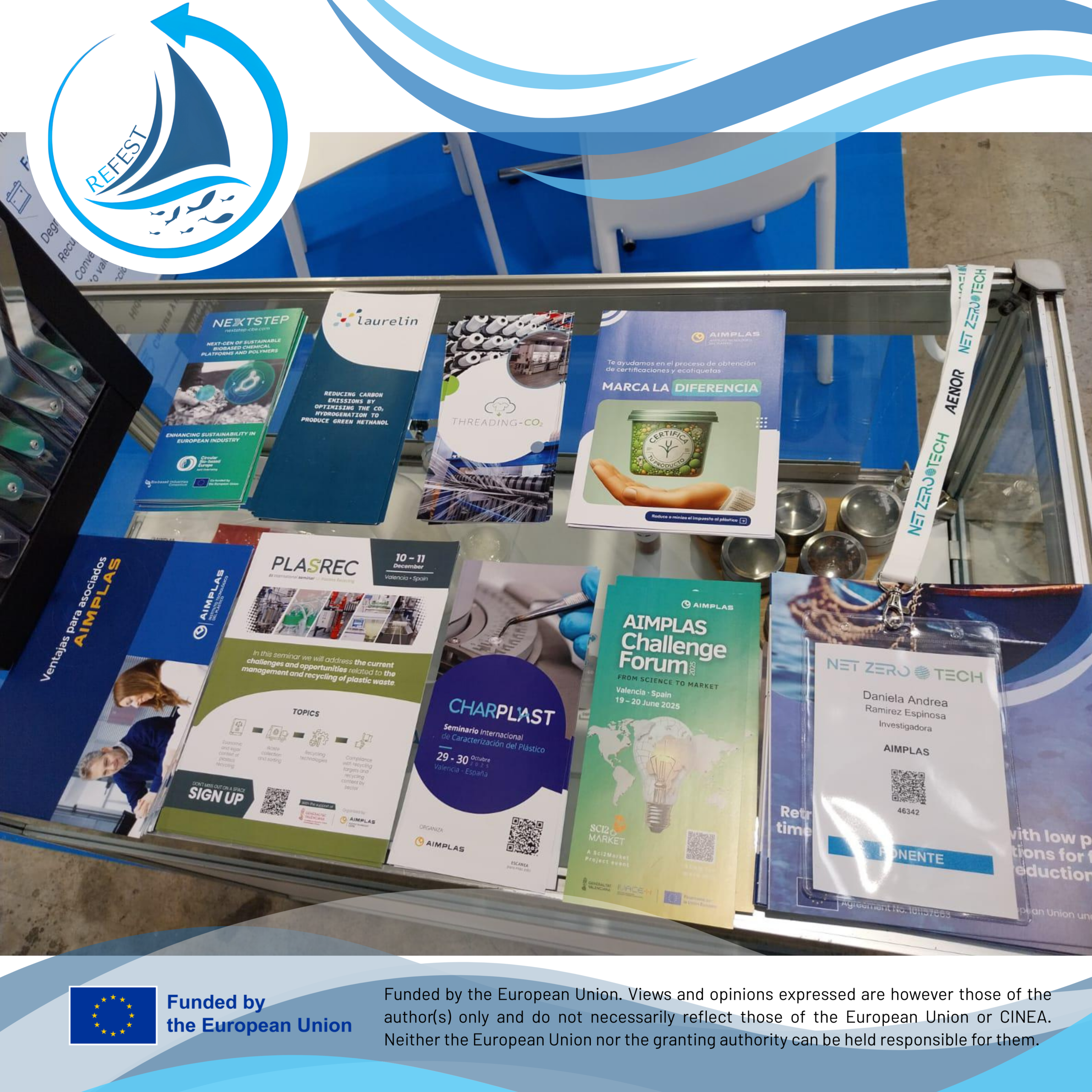
REFEST was promoted at Net Zero Tech Barcelona 2025, which took place on 4-5 June 2025 at La Farga Exhibition Centre in L’Hospitalet de Llobregat, Barcelona, Spain.

Organised by Five Continents Exhibitions, the event brought together professionals and companies from the energy sector, public administrations committed to the energy transition, startups and SMEs working on sustainability, researchers and academics in the field of decarbonisation, and investors interested in clean and sustainable technologies.

Net Zero Tech Barcelona 2025 provided a valuable platform to discuss industrial decarbonisation and the energy transition, with a strong focus on energy efficiency, electrification through renewable energy, green hydrogen, biomethane, CO₂ capture and reuse technologies, digitalisation, and other innovative solutions for low-carbon industries.

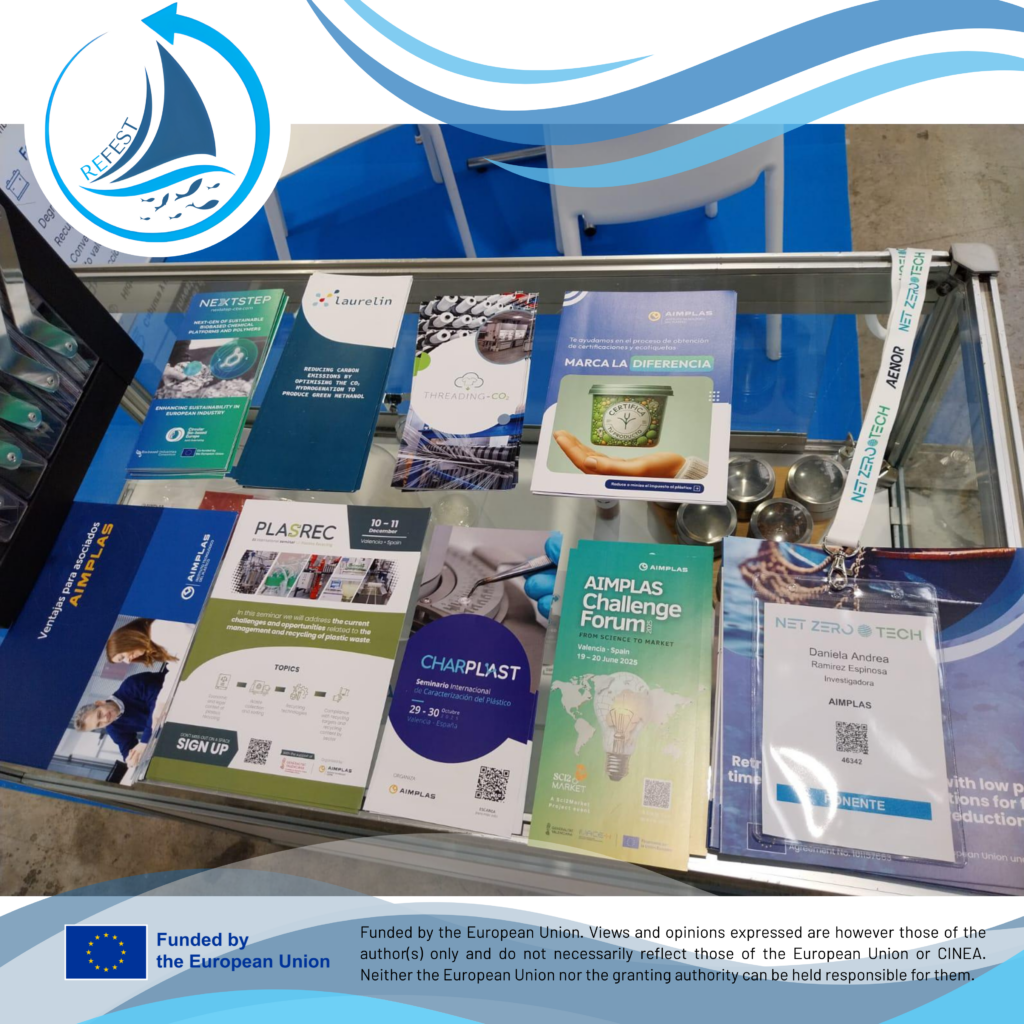
Representatives from AIMPLAS attended the event on behalf of REFEST, sharing project dissemination materials and engaging with participants interested in learning more about the project. Through brochures and direct exchanges with AIMPLAS colleagues, visitors had the opportunity to discover how REFEST is contributing to the reduction of fuel consumption and greenhouse gas emissions in the fisheries sector.

22nd International Conference on Carbon Dioxide Utilization – ICCDU 2025

REFEST will be presented at the 22nd International Conference on Carbon Dioxide Utilization – ICCDU 2025, taking place in Lisbon, Portugal, from 23 to 27 June 2025.

ICCDU 2025 will bring together academic, research and industrial professionals from around the world to exchange knowledge, present innovative approaches and discuss pioneering solutions for carbon dioxide utilisation. The event will be hosted for the first time in Lisbon and organised jointly by IST – University of Lisbon and NOVA School of Science and Technology, in partnership with the Portuguese Society of Chemistry.

Under the theme “CO₂ for a Circular Economy”, the conference will provide a key platform for discussing sustainable technologies and strategies aimed at accelerating the transition towards an effective circular carbon economy. The programme will build on the success of previous ICCDU editions, fostering dialogue between researchers, industry representatives and technology developers working on innovative pathways for CO₂ valorisation and industrial sustainability.

Representatives from AIMPLAS will attend ICCDU 2025 and will represent REFEST at their stand. Participants interested in learning more about the project will have the opportunity to visit the AIMPLAS stand, collect a REFEST brochure, and ask questions directly to the colleagues about the project’s objectives, technologies and contribution to reducing fuel consumption and greenhouse gas emissions in the fisheries sector.