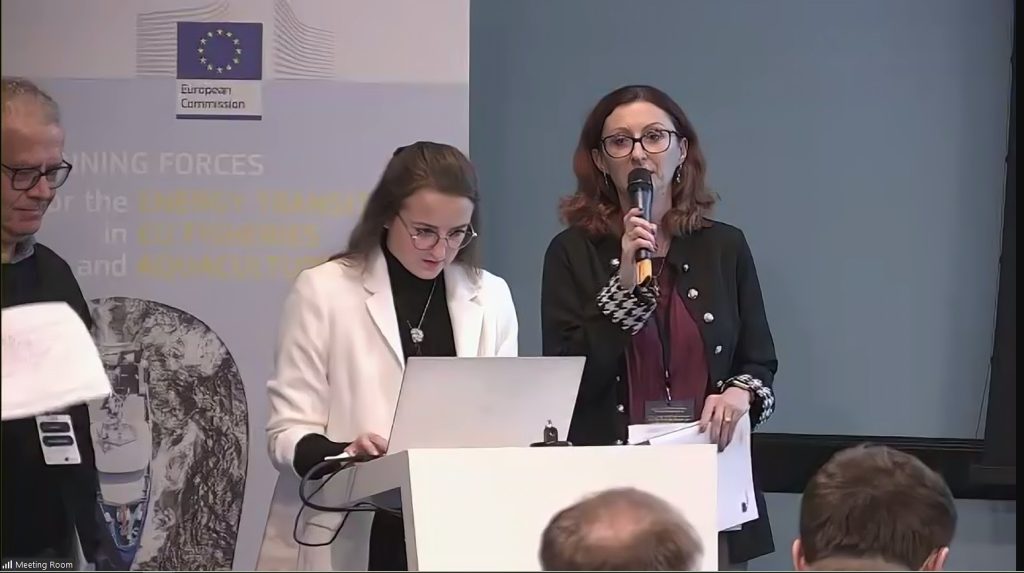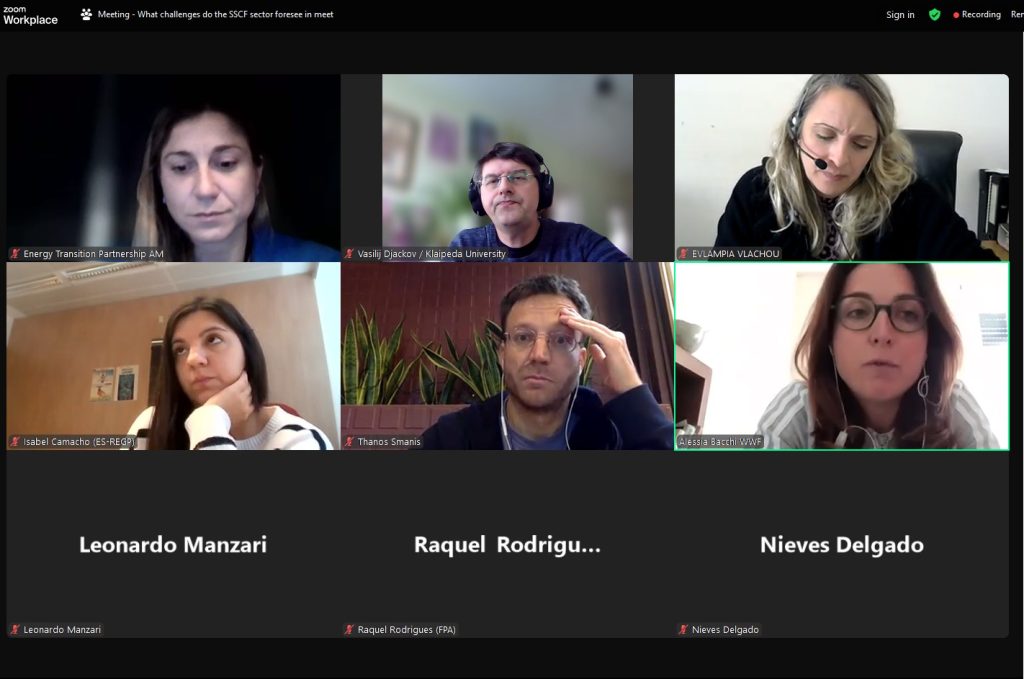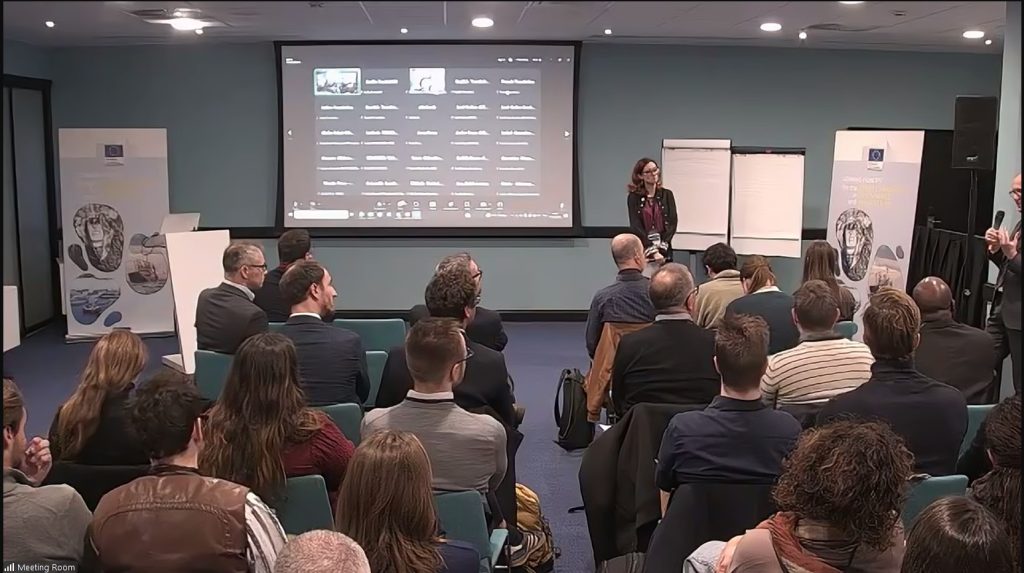
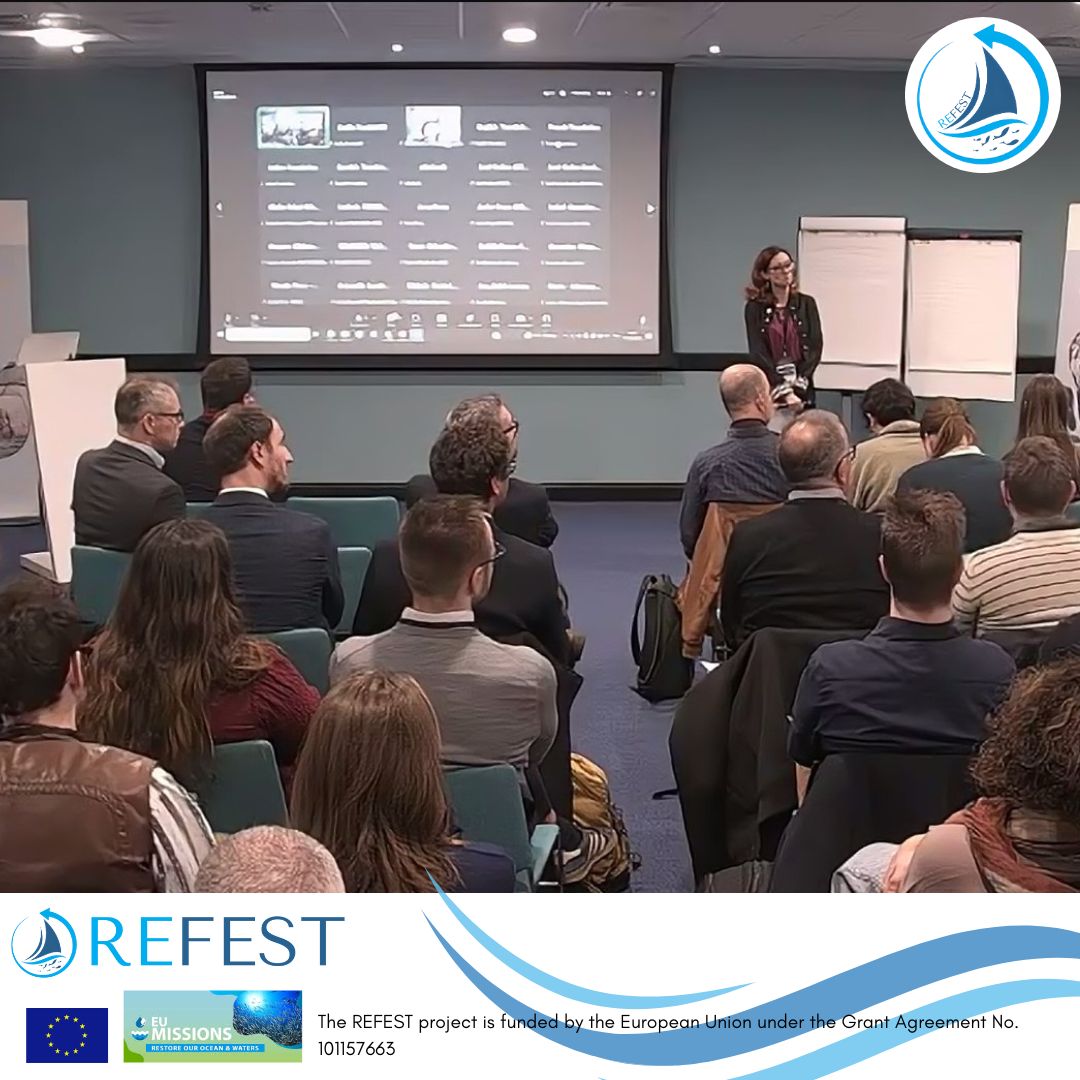
On 11 and 12 December 2024, the Energy Transition Partnership (ETP) and the Directorate-General for Maritime Policy, Fisheries and Aquaculture (DG MARE) organised a series of workshops in Brussels and online entitled “Navigating the Energy Transition: Strategic Goals for Resilient and Sustainable Fisheries Fleet”. The event brought together experts, policy makers and representatives from key industries to discuss the challenges and innovative solutions needed for an effective energy transition in the fisheries sector.
Among the main themes, routes to improve energy efficiency in the sector were explored, particularly in three crucial areas of fisheries: Small-Scale Coastal Fisheries, Large-Scale Fisheries, and Distant Waters Fleet. The common objective was to draw a roadmap for a sustainable energy transition in the fisheries sector, with a particular focus on 2050.
Participation of REFEST: Sustainability and Innovation in the Coastal Fisheries Sector
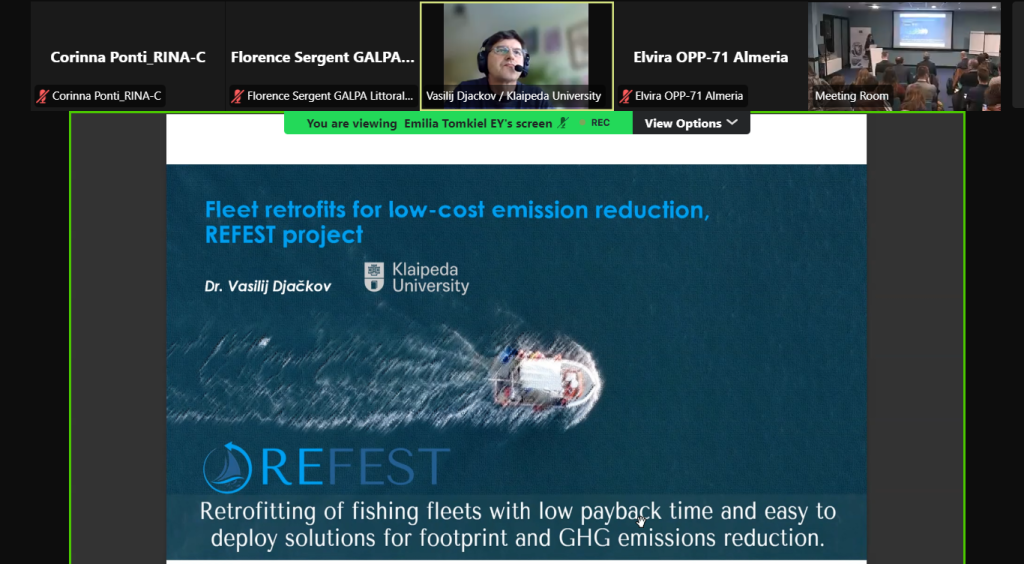
The REFEST project actively participated in the workshop “Navigating the Energy Transition: Strategic Goals for a Sustainable Small-Scale Coastal Fisheries”, an event dedicated to solutions for making the small coastal fleet sector more sustainable and energy efficient. The project coordinator, Klaipeda University, represented by Vasilij Djackov, presented REFEST and its innovative approach focused on reducing greenhouse gas (GHG) emissions and fuel consumption. The project has emerged as one of the key initiatives to foster a green transformation of the sector.
The REFEST initiative aims to develop low-carbon technologies designed to reduce the environmental impact of the fisheries sector while reducing operating costs through innovative energy solutions. The project focuses on the design and implementation of low carbon technologies, which will reduce CO2 emissions and improve the efficiency of engines and energy systems on board fishing vessels.
The Impact of the Small Coastal Fleet Sector on the Environment
The workshop highlighted that the small coastal fleet sector accounts for a significant share of greenhouse gas emissions from fisheries. Currently, this segment accounts for 8% of the total CO2 emissions in the EU fisheries sector, with around 0.4 million tonnes of CO2 released each year. This underlines the urgency of targeted action to reduce the sector’s ecological footprint, a goal that REFEST has placed at the heart of its mission.
Integrating green technologies, such as hybrid propulsion systems, solar panels and optimal energy management solutions are just some of the solutions proposed by the REFEST project to reduce these emissions and make the sector more sustainable and resilient.
A Roadmap to 2050: Working Together for a Sustainable Future
The workshop also provided an important platform for discussion between industries, political organisations and stakeholders from across Europe, with the aim of drawing up a roadmap for the energy transition towards 2050. Participants worked together to identify the main challenges, but also opportunities, for energy efficiency in the fisheries sector, with a particular focus on the transformation of coastal fleets.
The participation of REFEST in this workshop strengthened its role as a key player in the energy transition of the fisheries sector, underlining the importance of concrete and scalable solutions to reduce environmental impact, Improve economic competitiveness and ensure sustainable fisheries for future generations.
The December event confirmed that the energy transition in the fisheries sector is possible, but requires the collective commitment of innovators, institutions and professionals in the sector. REFEST, with its innovative approach and willingness to respond to the challenges of inshore fishing, is ready to continue on its path towards a greener and more sustainable maritime future.