
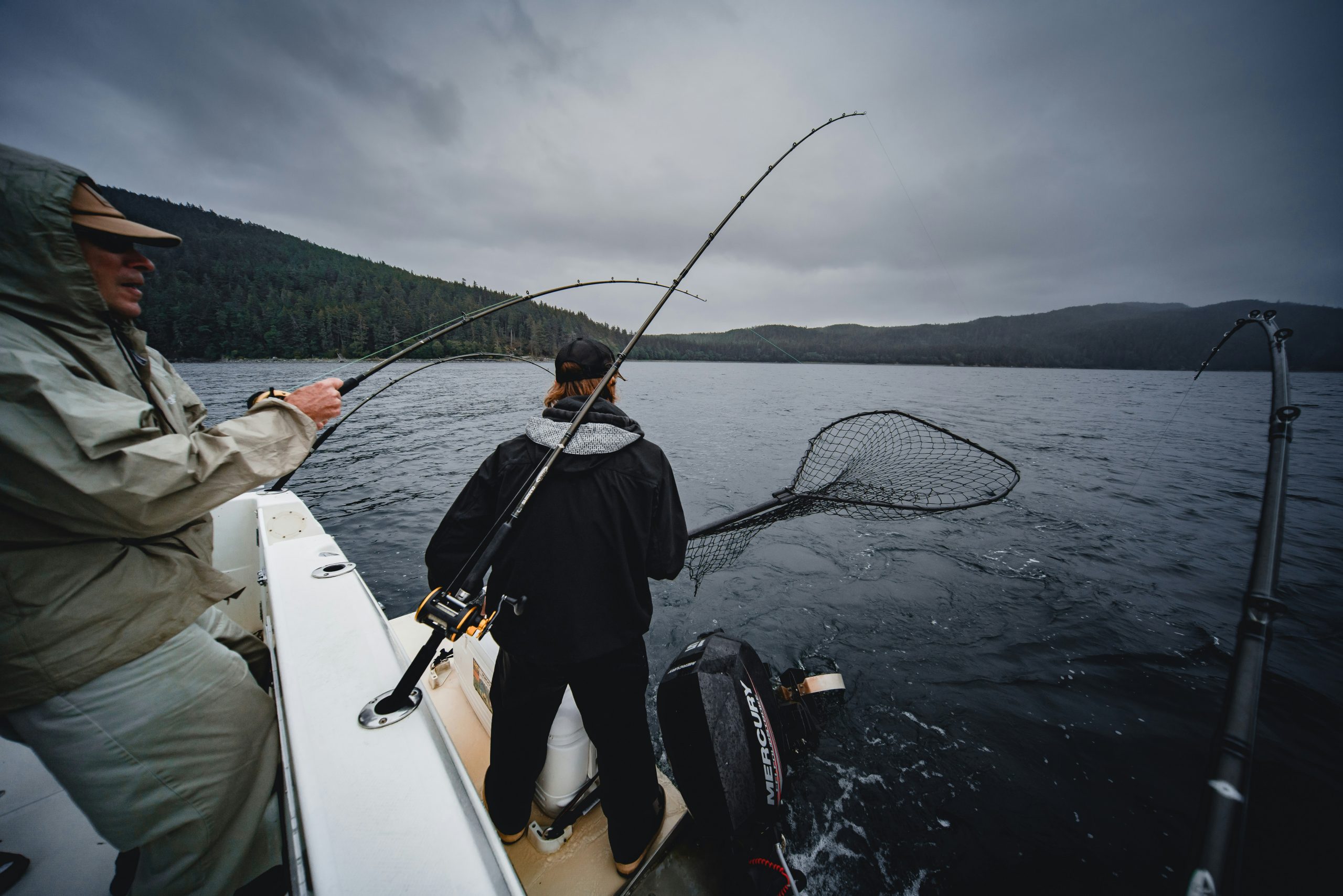
In the past, fishing was the most widespread human exploitative activity in the marine environment. However, global fisheries trends indicate an overall decline in the productivity of the world’s fishery resources. This is one of the reasons why the proportion of sustainably harvested stocks in Europe has increased significantly in recent years. Over the last two decades, fishing effort in Europe has been progressively reduced in terms of the number of vessels, engine power, and tonnage. Nonetheless, pressure on fish stocks remains high. Therefore, it is crucial to minimize the negative impacts of fishing on target species, communities, benthic ecosystems, and habitats. The extent of fisheries’ environmental impacts depends on various factors. These impacts are complex, often difficult to measure, and vary between fisheries.
The first and most obvious negative impact of fisheries is the mortality imposed on target species and the reduction of their natural abundance. A species’ vulnerability to fishing depends on the type of fishing gear used, the species’ morphometric traits, behavior, and life-history characteristics. In heavily fished populations, dominant patterns such as truncated size structures, biased sex ratios, altered genetic structures, shifts in growth, maturity and spawning schedules, and sometimes reduced relative fecundity have been observed. These changes lower the overall reproductive potential of the population. In mixed fisheries, similar responses may occur across all targeted species. In cases of improper resource management, fisheries may develop excessive capacity, leading to overfishing.
Fishing can also negatively affect non-target and/or rare and sensitive species caught as unintended bycatch. The survival rate of discarded fish is typically very low, which was one of the reasons behind the implementation of the discard ban. Bycatch-induced mortality can indirectly affect ecosystems and habitats by disrupting food web interactions. At the community level, fishing alters food web structures, impacting various aspects of biodiversity. High biodiversity supports ecosystem stability and resilience. While spatial biodiversity is primarily governed by biogeographic factors, fishing influences species dominance by altering the abundance of target species. Globally, there are numerous reports documenting the impacts of fishing on benthic ecosystems and habitats, as well as on sensitive and rare non-target species, including marine mammals, birds, and turtles. Bycatch is also a global threat to highly migratory, long-lived marine taxa such as turtles, seabirds, marine mammals, and sharks.
Furthermore, fisheries can have both direct and indirect effects on benthic ecosystems. Direct impacts result from physical disturbances to the seafloor, which can alter seabed structure, remove organisms, cause accidental mortality or injury, and affect sediment biochemistry. Indirectly, the removal of fish and/or benthic species can alter food web structures and thus affect ecosystem functioning.
Another aspect of the environmental impact of fisheries is underwater noise produced by operating ships and vessels. Large commercial vessels generate relatively loud, predominantly low-frequency sounds. Each vessel has a unique acoustic signature, although these signatures may vary depending on speed, load, operational mode, and any implemented sound-reduction measures. Anthropogenic underwater noise is known to have a wide range of direct, indirect, and cumulative effects on marine species, from exposures with no adverse impact to significant behavioral disturbances, hearing loss, and even mortality.
Marine fouling affects most man-made surfaces temporarily or permanently submerged in seawater, resulting in substantial economic costs. The most common solution to prevent fouling is to coat surfaces with antifouling paints containing toxic compounds. During vessel operation, these paints flake off, releasing harmful substances into the environment. Many of these compounds have undesirable effects on non-target species, including commercially important organisms.
Accidental fuel leaks also pose a serious threat to the environment. Furthermore, the risk of highly flammable marine oil leaks increases operational hazards for fishing vessels.
Fishing nets have a limited lifespan and are considered waste once they are worn or irreparably damaged. During fishing operations, nets can be accidentally lost or damaged and remain on the seafloor – these are known as ghost nets. If not removed, ghost gear poses a serious threat to the marine environment and wildlife, including seabirds, marine mammals, and fish. The threat arises both from the continued ability of such gear to entrap organisms and from the pollutants released during its degradation. Over decades to centuries, lost fishing nets and ropes shed microplastic fibers into the marine environment.
Cover image by Yiran Ding on Unsplash